

If extenuating circumstances have affected your child’s studies or grades, you may be wondering where that context belongs in a university application. The UCAS reference, a university’s own process and exam-board special consideration are different routes. Start by checking which route fits the stage your child has reached and what they consent to share.
Where to start
- Extenuating circumstances are things outside your child’s control that affected their grades, like illness, a bereavement, or a disrupted term.
- The UCAS reference can give universities context. Some universities also have their own extenuating-circumstances process, with their own rules.
- The main place it is shared is the UCAS reference, and only with your child’s consent.
- If an exam itself was affected, that is a separate school process, not a university one.
- An adviser can help your child organise the timeline and work out which official route to check.
What extenuating circumstances mean in admissions
Extenuating circumstances are things outside your child’s control that affected their studies or their grades. A serious illness. A bereavement. A family crisis. A term where everything came at once.
The UCAS reference gives universities context about what affected your child’s education or achievement. A university may also have its own extenuating-circumstances process. How that separate process is used depends on the university. If your child’s predicted grades are below the course’s entry requirements, that is a related but different question, covered in our guide on predicted grades below course requirements.
When and where the context is shared
Context does not go in one box. It is shared at different points, in different ways. Here is the order to think in.
Work out what context exists and what your child is happy to share. For the UCAS reference, Section 2 information is only included with their consent.
The reference has a section for extenuating circumstances. The teacher or school adds the context there, with your child’s consent.
Some universities run their own schemes, with their own rules. These differ, so check each university your child applies to.
If something happens after the application goes in, the referee tells each university choice directly.
That is a separate route. The school or college checks the exam board’s special-consideration process.
Five points, one idea: get the context to the right people, at the right time, with your child’s say-so.

Meet one of our admissions advisers
Naomi, admissions adviser
Naomi read Politics, Philosophy and Economics at the University of Oxford and provides admissions preparation for students applying to university. She is an outreach ambassador for Exeter College, Oxford.
The UCAS reference, in plain terms
The UCAS reference is the main place this context is shared at the application stage. It has a section for extenuating circumstances. This is the reference, not your child’s own personal statement, which is their space to write about the subject they love.
Two things matter. First, it only goes in with your child’s consent. Second, if the circumstances are very private, the reference can say that circumstances exist without spelling out the detail. The note can also explain a gap between your child’s earlier grades and their predicted ones. UCAS sets out how references work.
Not sure where your child’s situation fits?
Tell us whether your child is applying now, has already applied, or is dealing with an exam issue. An adviser can help you identify which official route to check.
Ask about an adviserYour one move this week
This is a private ten-minute conversation to have at home this week. You need a notepad and a quiet moment with your child.
- Write down what happened, and roughly when (3 minutes). Which term, or which exams, were affected. Keep it short and private.
- List what evidence already exists (3 minutes). For this exercise, just note documents you already have, such as a school letter or doctor’s note. Do not send documents to us. Check the official process before obtaining or submitting any further evidence.
- Note which stage it belongs to (2 minutes). The reference, a university’s own process, or a school exam route.
What should you look for?
Notice whether the circumstances are already written down somewhere, or only remembered. That is useful to know before any conversation with the school or a university. This will not tell you how a university will weigh the circumstances, and it guarantees nothing. It is preparation for the right conversation, not the outcome. An adviser can help your child organise the timeline and prepare the questions to ask about the right official route.
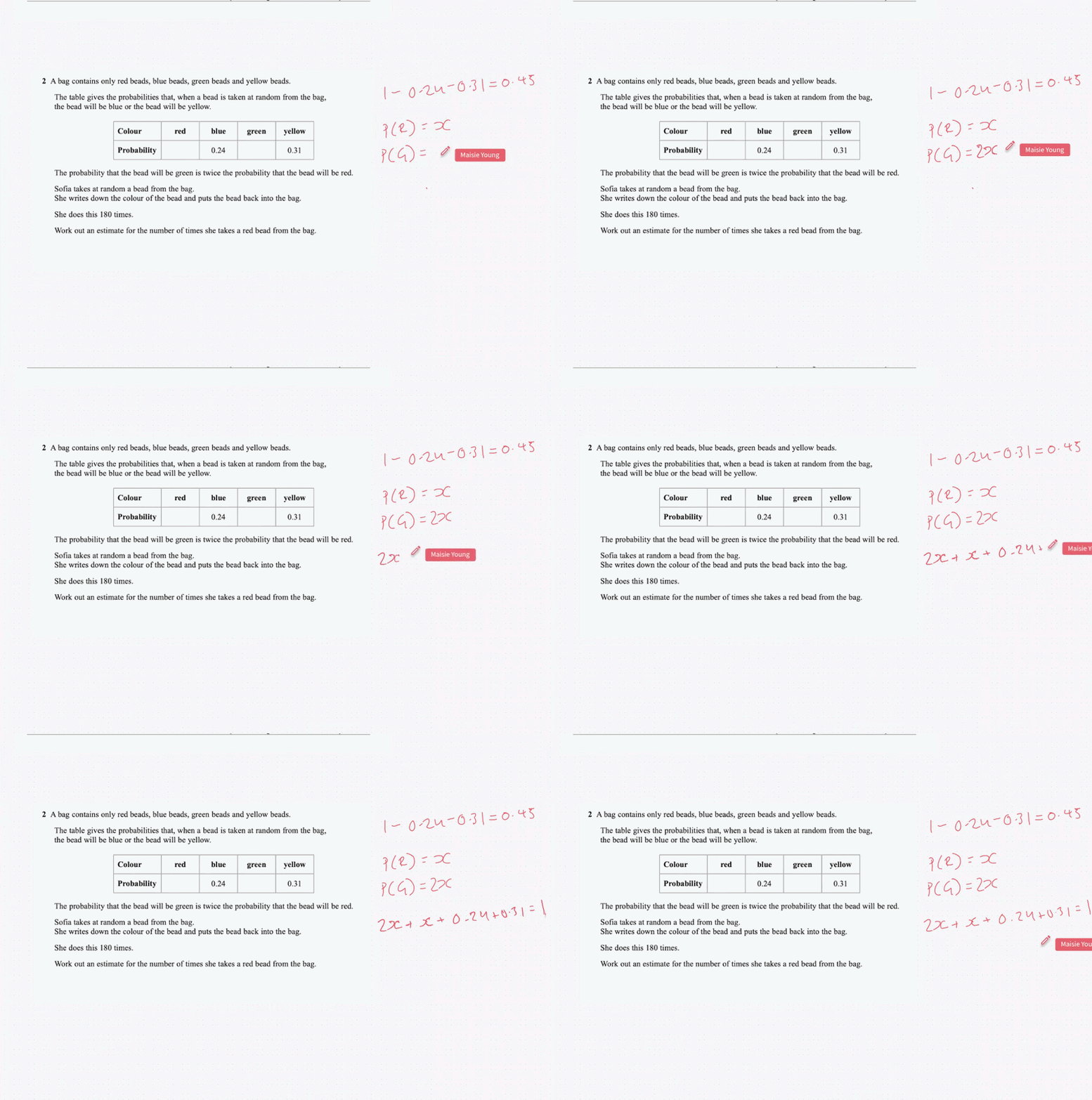
This clip shows a maths lesson recorded in Pencil Spaces, the online classroom used by Greenhill Academics.
Not sure which route comes next?
An adviser can help your child organise the timeline and prepare the questions to ask the school or university.
Ask about an adviserHow an adviser helps
An adviser can help your child organise the timeline, separate the UCAS reference from a university’s own process and from exam-board special consideration, and prepare useful questions for the school or university.
They do not decide what goes into the referee’s reference, submit extenuating-circumstances evidence for your child, or decide how a university will use it. Those decisions sit with the applicant, referee, university and relevant exam centre.
The tutors who can help
These advisers support university applications. Availability can be confirmed when you enquire.

Kian read Classics at the University of Oxford. He supports students with Oxbridge applications, including personal statements, entrance tests and interviews.
Naomi read Politics, Philosophy and Economics at the University of Oxford. She provides admissions preparation for students applying to university and is an outreach ambassador for Exeter College.
Questions parents ask us
Will a university actually take this into account?
The UCAS reference can give universities context about what affected your child’s education or achievement. Some universities also have a separate extenuating-circumstances process. How that process affects an application depends on the university, and there is no guaranteed outcome.
Where do the circumstances actually get mentioned?
The main place at the application stage is the UCAS reference, which has a section for extenuating circumstances. The teacher or school adds it there, with your child’s consent.
What if we would rather not share private details?
The reference can say that circumstances exist without giving the detail. Your child decides what is shared, and nothing goes in without their consent.
Something happened after we already applied. What now?
The referee can tell each of your child’s university choices directly. Some universities may ask for a bit more information for complex or sensitive cases.
An exam itself was disrupted. Is that the same thing?
No, that is a separate route. If an exam or assessment was affected on the day, the school or college checks the exam board’s special-consideration process. You can read how that side works on the JCQ guidance.
Want help getting the context right?
Tell us which stage your child is at, and we can talk through which official route to check.
Ask about an adviser