


Your child knows the GCSE content. They sat through the lessons, they have the revision guide, and yet the marks are not moving. They rush through questions, lose focus halfway through a revision session, or write pages that somehow miss the point. As a parent, that is the frustrating part: the ability is clearly there, but something keeps getting in the way. A good GCSE tutor fixes that something, because the common study problems behind stalled grades are rarely about intelligence. They are about method, and method can be taught.
On this page
The Real Problem
When a capable child underperforms at GCSE, the cause is usually a study habit, not a knowledge gap. Fix the habit and the marks follow, often faster than you would expect.
Match With a GCSE Tutor
Oxbridge-educated tutors who fix the habits holding your child back.
The three study problems we see most at GCSE
Across thousands of lessons, the same three problems come up again and again. The first is reading: your child skims the question, answers what they assume it asks, and loses marks they could easily have earned. Next comes focus, which starts well in a lesson and then drifts, especially when there is too much to cover at once. A third pattern is exam strategy. Your child knows the content but has no plan for pacing the paper, so time runs out on the questions worth the most. None of these is about ability. Each has a specific fix, and a GCSE tutor knows what it is.
What a good GCSE tutor actually does
Trust in a tutor should come from method and results, not a list of degrees. Here is how our tutors work, and why it changes a child’s habits. Every session targets the exact specification and exam board your child sits, so nothing is wasted. The tutor sets focused practice on a shared board between lessons, then returns short written feedback after each session. Crucially, your child takes the technique back into school the following week. That is where you start to see the marks move, because the habit has travelled out of the lesson and into their everyday work.
A tutor also does something a class of thirty cannot: they watch how your child actually works. They notice the guess, the skipped check, the paragraph that drifts off the question. Because they are working one to one, they can stop, name the habit, and replace it on the spot. That live correction is the engine of progress.
Is Your Child Capable but Underperforming?
A specialist tutor finds the habit behind the marks and fixes it, one session at a time.
How a tutor solves these problems in practice
The clearest way to show what a GCSE tutor changes is to walk you through three pupils. Names and details are altered to protect their privacy, but the teaching is real, drawn from our own lesson records.
Skimming the question: Olivia
Olivia kept losing marks she should have had. The issue was rarely the topic. Instead, she did not read the question fully, so she answered what she assumed it asked rather than what it actually said. Her tutor taught her one habit: before writing, underline exactly what the question wants and how many marks are on offer. With that quick step in place, Olivia started answering the real question, and the marks she had been dropping for no good reason came straight back.
Drifting off in lessons: Callum
Callum lost focus partway through almost every lesson. When too much was covered at once, his attention scattered and little of it stuck. His tutor changed the structure completely, giving each session one clear topic with properly written notes rather than a sprawl of half-covered ideas. Whenever Callum’s focus did dip, a short, active task pulled him straight back in. Because the work now had a shape, his concentration held for the full session. As a result, he arrived at the next lesson actually remembering what he had done.
No clear exam strategy: Florence
Florence knew her material but had no plan for the exam itself. She spent too long on early questions, then rushed the ones worth the most marks. Her tutor taught her to read the mark allocation first, give each question time in proportion to its marks, and highlight the key words before answering. They practised pacing a full paper this way until it felt natural. Once Florence had a clear strategy, her knowledge finally showed up in the result. She was no longer running out of time on the questions that mattered.
If your child is capable but the grades are not reflecting it, a tutor can find the habit getting in the way and fix it. Book a lesson.
What the first lesson looks like
The first session is a diagnosis, and it sets the tone for everything after. The tutor assesses your child’s current level by working through questions or a recent piece of written work together. They identify the weak topics and, just as importantly, the habit getting in the way, whether that is rushing, lost focus, or missing the question. As a result, they can agree with your child exactly what to prioritise first. By the end, your child knows what they are working on and why, which is often the moment the work starts to feel manageable again.
When school support is not enough
School covers the GCSE content well, but a teacher with thirty pupils cannot sit with one child and watch how they actually study. That is the gap a GCSE tutor fills. One to one, the tutor sees the exact habit holding your child back and replaces it in real time. It is targeted, personal, and because the attention is entirely on your child, the bad habits have nowhere to hide. If you have already seen this pattern at home, our guide on what to do when a child is struggling with GCSEs is a useful next read.
Meet some of our GCSE tutors

Charlotte
Charlotte read Biological Sciences at the University of Oxford (Balliol College), graduating with a First. She has tutored since 2020 and teaches GCSE Biology, Chemistry, Physics, and Maths. Charlotte is especially good with pupils who rush or make careless slips, building the checking habits that turn near-misses into full marks. Her discussion-based approach keeps students engaged in the science rather than passively copying it down.
George
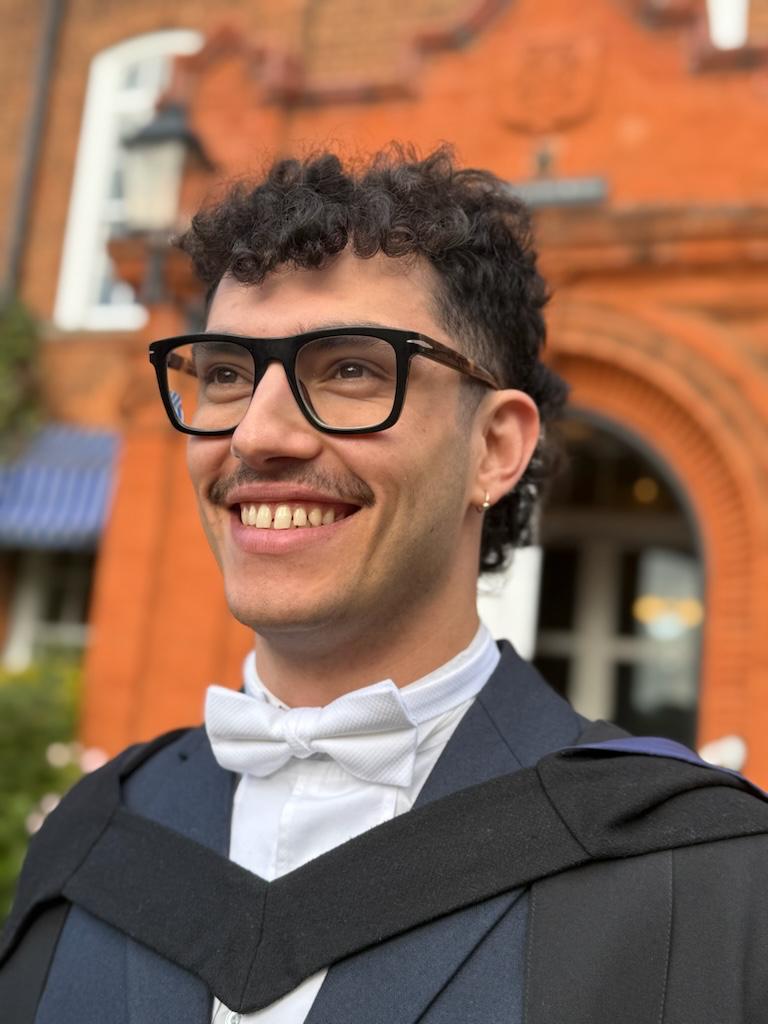
George holds an MPhil in Linguistics from the University of Cambridge (High Distinction) and a First in English Literature, with over 500 hours of tutoring. He teaches GCSE English, Maths, History, and more across the humanities. George is exceptional at helping pupils move from describing a text to analysing it, the exact shift that lifts an English essay into the higher grades. Many of his students come through word of mouth.
These are two of our tutors. Whatever subject your child is struggling with, we match each family with a GCSE tutor who fits the exam board and the topics they find toughest.
Want the grades to match your child’s ability?
If your child is capable but the results are not showing it, the right tutor can diagnose the habit and fix it. Get in touch and we will match them with a specialist GCSE tutor.
Fix the Habits, Lift the Grades
TURN WASTED MARKS INTO STEADY PROGRESS
Our Oxbridge-educated tutors find the study habit holding your child back, then replace it one session at a time. Personalised feedback that school alone cannot provide.
Helpful GCSE study resources
More from our blog
Frequently asked questions
