
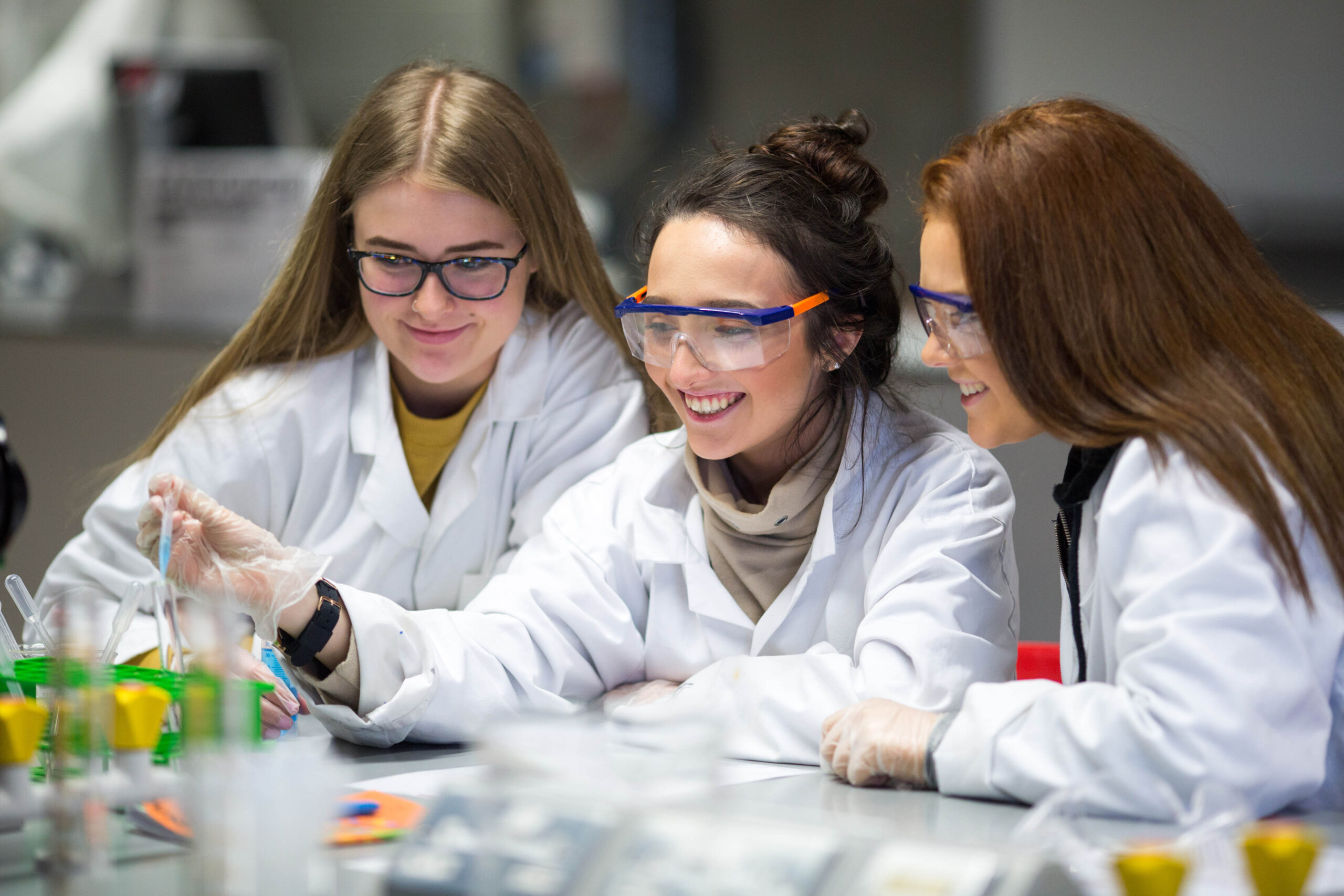

Your child revises hard, knows the content, and still loses marks in Biology. The mark comes back and nobody can quite say what went wrong. If you are in Hong Kong and have watched this happen at Harrow, Kellett, or Shrewsbury International, you know the quiet worry it brings. The right GCSE Biology tutor in Hong Kong closes that gap, and this guide explains how to choose one.
On this page
Why Hong Kong families look for a Biology tutor
One student, three shifts that changed his marks
Three skills that move a Biology grade
Technique matters as much as memory
What the first lesson looks like
When to start
Exam boards and past papers
Meet some of our Biology tutors
Frequently asked questions
The short version
Most Biology marks are lost on extended and practical questions, not on content. A good tutor teaches the method examiners reward, then proves it sticks in the next school assessment.
Find your child a GCSE Biology tutor
Oxbridge-educated tutors, based in the UK, teaching online across Hong Kong time zones
Why Hong Kong families look for a Biology tutor
Biology rewards a particular kind of thinking, and most schools move quickly through a very full syllabus. Your child can keep up in lessons, learn the content, and revise diligently, yet still feel stuck when the marks arrive. The problem usually sits in how answers are written rather than in what your child knows. A focused tutor finds that gap fast.
Most Hong Kong students at British-curriculum schools sit IGCSE Biology rather than the UK GCSE. King George V School and the English Schools Foundation are typical examples. The label differs, however the demand is the same and so is the fix. Your child needs to know the content, then needs the technique to turn that knowledge into marks under exam conditions.
That second half is where a good GCSE Biology tutor earns their place. They work to your child’s exact specification, set targeted practice between sessions, and give short written feedback after each lesson. The aim is simple. Your child takes a clear method back into school the following week and sees it work in the next assessment.
One student, three shifts that changed his marks
Let me show you what this looks like with one student. Daniel is a composite, drawn from several Hong Kong students we have taught, so no single family is identifiable. His arc mirrors the pattern we see again and again, and it shows where the marks actually go.
Strong recall, stalling on the long questions
Daniel arrived knowing his content well. He could define terms, label diagrams, and answer most one and two mark questions without hesitation. His marks stalled on the longer extended questions, the four and six markers that ask students to “evaluate the results” or “comment on the conclusion”. He knew the biology. He could not see what the examiner wanted him to say.
This is the single most common pattern we see at GCSE and IGCSE Biology. The content is there. The marks are lost in the gap between knowing a fact and writing the answer that earns the point. Daniel’s tutor started by reading through his recent papers and naming the exact question types that were costing him.
A method for practical and data questions
The biggest gains came from practical and data questions. Daniel’s tutor taught him to evaluate experimental design using CORMS. It is a simple framework for checking whether an experiment controls the right variables and gives reliable results. Instead of guessing, Daniel now had a checklist to run through every time a data question appeared.
They practised on real examples. One question gave a data set on metal levels near a mine and asked students to discuss the results. Daniel learned to read the figures, describe the trend, and then evaluate whether the experiment was sound. His answers went from vague to structured, and the marks followed.
Is your child stuck on the long-answer questions?
A tutor can read their recent papers and show them exactly what the examiner wants for the next mark up.
Holding a large syllabus together
The final shift was about scale. Biology covers a wide spread of topics across two papers, and Daniel found it hard to hold everything in his head at once. Rather than re-teach everything, his tutor used targeted past-paper work to surface the weak areas. Daniel then took on the job of flagging topics he felt unsure about.
This worked because it made Daniel active in his own revision. He started arriving at sessions with specific requests, asking to go over protein synthesis one week and the digestive system the next. By the time his exams came, he had covered the full syllabus and knew exactly where his weak spots had been. He walked in confident.
Three skills that move a Biology grade
Daniel’s progress came down to three skills, and they are the same three that lift most students. A good GCSE Biology tutor in Hong Kong builds all three deliberately rather than hoping they appear on their own.
Answering the command word
Examiners use command words such as describe, explain, evaluate, and discuss, and each one asks for something different. A student who explains when asked to describe will lose marks even with correct biology. Therefore the first skill is reading the command word and matching the answer to it. This alone recovers marks on almost every paper.
Handling data and practicals
Practical and data questions carry a large share of the marks, and they reward method rather than memory. Your child needs a reliable way to read a data set, describe what it shows, and evaluate whether the experiment was fair. A framework like CORMS gives them that, which means they stop freezing when an unfamiliar experiment appears.
Owning the revision
The strongest students learn to identify their own weak areas instead of waiting to be told. A good tutor builds this habit early, so your child arrives at each session knowing what they want to work on. As a result, revision becomes targeted and efficient, and the wide Biology syllabus stops feeling overwhelming.
Technique matters as much as memory
It is tempting to think a higher Biology grade means learning more facts. For most students, that is not where the marks are hiding. Your child likely knows more than the grade suggests. The missing piece is the technique to convert that knowledge into the answer the mark scheme rewards.
This is exactly what a tutor provides and a textbook cannot. A tutor reads your child’s actual answers, spots the recurring habit that caps the mark, and fixes it directly. Whether it is misreading the command word, rushing a data question, or leaving an evaluation half-finished, the feedback is specific and personal. That is what shifts a grade.
What the first lesson looks like
The first session is about diagnosis, not delivery. The tutor works out where your child actually stands, then agrees a plan with them. There is no lecture and no assumption that your child is starting from zero.
In practice this means three things. First, the tutor assesses your child’s current level by working through a few questions together. Second, they find the weak topics, often by spotting which question types cause hesitation. Third, they agree what to prioritise, so your child leaves the first lesson knowing exactly what the next few weeks will cover. It is calm, clear, and focused from the start.
When to start
The best time to start is before the pressure peaks. A tutor working with your child across the year has time to build technique properly, embed it through practice, and return to weak topics more than once. That steady approach produces the most reliable results.
That said, focused help in the final months still makes a real difference. Exam technique can shift quickly once a student knows what to look for. If your child knows the content but the marks are not reflecting it, a tutor can often unlock a grade in a relatively short window. Earlier is better, however it is rarely too late to help.
Exam boards and past papers
Most British-curriculum schools in Hong Kong enter students for IGCSE Biology, usually with Cambridge or Edexcel. The two specifications cover similar content and assess it in similar ways, so the skills your child builds transfer across both. Your child’s tutor will work to whichever board the school uses.
IGCSE Biology past papers by exam board
Download past papers, mark schemes, and examiner reports directly from your exam board:
If your child sits the UK GCSE rather than the IGCSE, we have pulled together every past paper by board. These guides collect the question papers and mark schemes in one place, so your child can practise the exact style they will face.
UK GCSE Biology past papers by board
Every past paper and mark scheme, gathered board by board:
Past papers are the best preparation tool your child has, because they show the real question styles and the exact wording examiners use. Working through them with a tutor turns each paper into a diagnosis. For more on this, our guide to GCSE Biology past papers sets out a method that works. Our piece on how to get a 9 in GCSE Biology goes deeper on the top grades.
Meet some of our Biology tutors
Every tutor below studied Biology to a high level and teaches it day to day. They are based in the UK and teach online, which works well across Hong Kong time zones. Here are three of them.

Charlotte
Charlotte read Biological Sciences at Balliol College, University of Oxford, graduating with a First, and is now working towards a PhD. She achieved AAA at A Level in Biology, Chemistry, and Physics, along with 11 A*s at GCSE. Charlotte has tutored since 2020 and is especially strong at building exam technique on the longer questions, teaching students how to read a data set and structure an evaluation that earns the marks.
Finlay
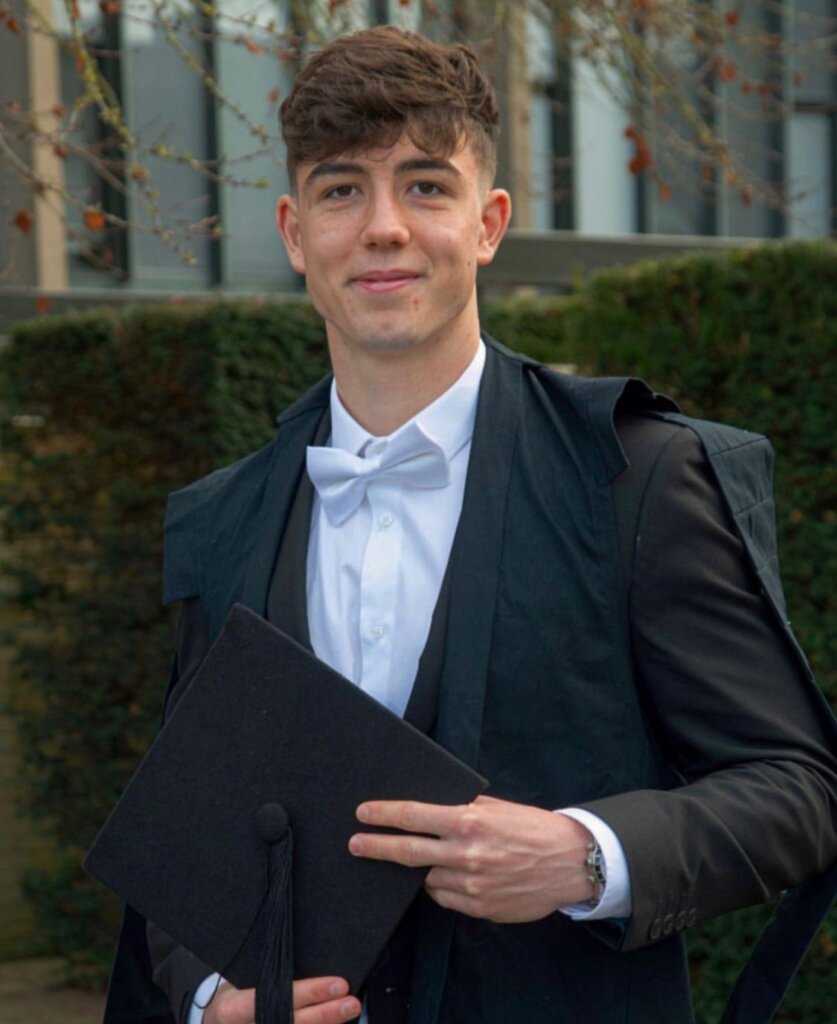
Finlay is studying Medicine at the University of Oxford, where he earned a First in Medical Sciences and placed 12th in his year. He achieved 10 As at GCSE and four As at A Level, including Biology and Chemistry. Tutoring since 2020, Finlay is patient and methodical, and he is particularly good at helping students flag their own weak topics and work through them with focused past-paper practice.

Kriszta
Kriszta earned a First in Biological Sciences at the University of Oxford, ranking in the top 10 of a cohort of over 120, and is now studying for a PhD in Cancer Biology at Cambridge. She has deep research experience across leading institutions, which gives her a sharp eye for experimental design. Kriszta is excellent at explaining the practical and data side of Biology in a way that finally makes sense to students.
Help your child turn knowledge into marks
If your child knows the content but the grade is not showing it, the right tutor can find the gap and close it. Get in touch and we will match them with a specialist Biology tutor who fits their board and their needs.
Find your child a GCSE Biology tutor in Hong Kong
BUILD THE TECHNIQUE THAT WINS MARKS
Our Oxbridge-educated Biology tutors are based in the UK and teach online across Hong Kong time zones. They turn solid content knowledge into the answers examiners reward.
Worth reading next
If this was useful, these guides go further on the same themes: our method for revising with GCSE Biology past papers, a deeper look at how to get a 9 in GCSE Biology, and our wider guide to IGCSE tutoring in Hong Kong.
Frequently asked questions
