


Your child knows the Biology content but freezes on the longer questions. The frustrating part is that the revision was there, yet the data questions in Paper 2 seem to swallow the marks. If you are in Hong Kong, you may have seen this at Harrow, Kellett, or the Canadian International School. You know the worry it brings before mocks. A good IB Biology tutor steadies that, and this guide explains what to look for.
On this page
Why Hong Kong families look for a Biology tutor
One student, three shifts that changed her marks
Three skills that move an IB Biology grade
Technique matters as much as memory
What the first lesson looks like
When to start
The IB papers and how to practise them
Meet some of our Biology tutors
Frequently asked questions
The short version
In IB Biology, marks are usually lost on data questions, long-answer technique, and confusing similar processes. A good tutor fixes all three, then proves it in the next assessment.
Find your child an IB Biology tutor
Oxbridge-educated tutors, based in the UK, teaching online across Hong Kong
Why Hong Kong families look for a Biology tutor
IB Biology is a subject where knowing the content is only half the battle. Your child can learn every process and still drop marks. The exam tests whether they can interpret unfamiliar data, build a structured long answer, and keep similar processes apart under pressure. That is a different skill from revision, and it is the one most students are never taught directly.
Schools in Hong Kong move quickly through a content-heavy course. An earlier topic can feel distant by the time it appears in a paper. The demand is the same whether your child takes Higher or Standard Level, and so is the solution. Your child needs the content, then needs the technique to apply it accurately when it counts.
This is where a good IB Biology tutor earns their place. They teach to the exact demands of the course, set focused practice between sessions, and send back short written feedback after every lesson. The point is transfer. Your child takes a clear method into the next school assessment and sees it lift the mark.
One student, three shifts that changed her marks
Let me walk you through one student to make this concrete. Anna is a composite, blended from several Hong Kong students we have taught, so no individual family can be identified. Her story shows where IB Biology marks actually go, and how the right help recovers them.
A calm method for data questions
Anna was diligent and engaged, with strong content knowledge across cells, biological molecules, and genetics. For example, she could recall a process in detail, yet a Paper 2 data question with an unfamiliar graph drained her confidence. The marks slipped not because she lacked knowledge, but because the question type unsettled her.
However, her tutor spotted this quickly and shifted the focus. Rather than drilling more content, they built a calm, repeatable routine. Read the axes carefully, state what the data shows, then answer only what the question asks. As a result, questions that once felt overwhelming began to feel manageable.
Building the long answer
The second shift was in the long-answer questions, which Anna had named as her weakest area. She understood the material but could not always shape it into a structured response that earned the higher marks. The highest bands reward answers that connect ideas across the syllabus, and that was where she lost ground.
Her tutor built these deliberately, turning the differences between DNA replication, transcription, and translation into structured exam answers. They returned to these processes for a few minutes each lesson, so recall stayed sharp. In practice, Anna learned to integrate ideas from different topics in a single answer, which is exactly what the top mark bands reward.
Does your child lose marks they should be getting?
A tutor can read their recent papers and show them exactly where the marks are going and how to win them back.
Telling similar processes apart
Specifically, the last shift was steadiness under content pressure. Topics like cell structure and organelle function are dense, and Anna sometimes rushed them. She blurred DNA replication, transcription, and translation, which sound alike but work very differently, and each slip cost marks she should have had.
Her tutor slowed the work down, building model answers for the topics she kept muddling and clear memory hooks to keep them separate. They kept a running list of the exact points she was unsure about, then targeted them in later sessions. By exam time Anna could tell these processes apart without hesitating, and the careless losses had largely gone.
Three skills that move an IB Biology grade
Anna’s gains came from three skills, and those same three lift most students. A good IB Biology tutor in Hong Kong builds all three on purpose rather than leaving them to chance.
A method for data questions
Paper 2 opens with data-based questions that reward a calm, structured approach. Many students lose marks here by reading the wrong axis or answering more than the question asks. A tutor teaches a repeatable routine: check the axes, describe the trend, then respond precisely. An unfamiliar graph stops being a source of panic.
Long answers that integrate topics
In practice, the highest mark bands reward answers that connect ideas across the syllabus rather than reciting one topic in isolation. A question on membranes might reward a student who brings in protein structure. A tutor therefore practises building these longer answers, helping your child weave concepts together so the response reads as understanding.
Keeping similar processes apart
IB Biology is full of processes that students confuse, such as DNA replication, transcription, and translation. Because the course is so content-heavy, these blur easily under pressure. A good tutor finds which ones your child muddles, builds clear memory hooks, and drills them until they are secure. As a result, the careless marks stop slipping away.
Technique matters as much as memory
Parents often assume that a higher IB Biology grade means cramming more content. In most cases, the marks are hiding somewhere else entirely. Your child almost certainly understands more than the grade reflects. The missing piece is the technique to apply that understanding accurately under exam conditions.
This is what a tutor gives that a textbook cannot. A tutor reads your child’s own answers, traces the repeated habit that holds the mark down, and corrects it head on. Whether it is a data question, a weak long answer, or two processes that blur together, the feedback is targeted and personal. That is what lifts a grade.
What the first lesson looks like
The first session is about working out where your child stands rather than rushing into delivery. The tutor diagnoses the real position, then agrees a plan together. There is no lecture, and no assumption your child is starting from scratch.
In practice it covers three things. The tutor checks your child’s current level by working through some past-paper questions side by side. They pin down the weak areas, usually by noticing which question types bring hesitation. Then they agree what to prioritise, so your child finishes the first lesson knowing exactly what the coming weeks will cover. It is calm, clear, and focused from the very first session.
When to start
The ideal moment to begin is before the pressure builds. When a tutor works with your child across the two-year course, exam technique can build gradually while content is still being taught. They can lock it in through practice and revisit weak topics more than once. That steady rhythm produces the most dependable results.
Even so, focused help before mocks still changes the outcome. Exam technique can move fast once a student knows what to look for. Where your child knows the content but the marks are not showing it, a tutor can often unlock a grade in a short window. Sooner is better, though it is rarely too late to help.
The IB papers and how to practise them
IB Biology is assessed across three papers. Paper 1 tests multiple-choice recall, Paper 2 combines data questions and extended response, and Paper 3 covers experimental skills and options. Each rewards a slightly different approach, so practising them in the right way matters. A tutor helps your child use past papers deliberately, focusing on the question types that lose the most marks.
If you want a fuller picture of what top marks require, our guide on how to get a 7 in IB Biology goes deeper on technique. For families weighing the whole programme, our overview of IB tutoring in Hong Kong covers the wider support available across subjects.
Meet some of our Biology tutors
Each tutor below studied Biology to a high level and teaches it week in, week out. All are based in the UK and teach online, which fits Hong Kong well. Here are three to introduce.

Kriszta
Kriszta specialises in Biology and is highly effective at building exam technique for IB students. She is patient with content-heavy topics like cell division and genetics, and excels at turning solid knowledge into confident long-answer responses, which is exactly where many IB Biology students need support.

Charlotte
Charlotte read Biological Sciences at Balliol College, University of Oxford, graduating with a First, and achieved AAA at A Level in Biology, Chemistry, and Physics with 11 A*s at GCSE. She is patient and methodical, and is particularly good at slowing students down on data questions so they check the detail and stop losing marks to rushing.
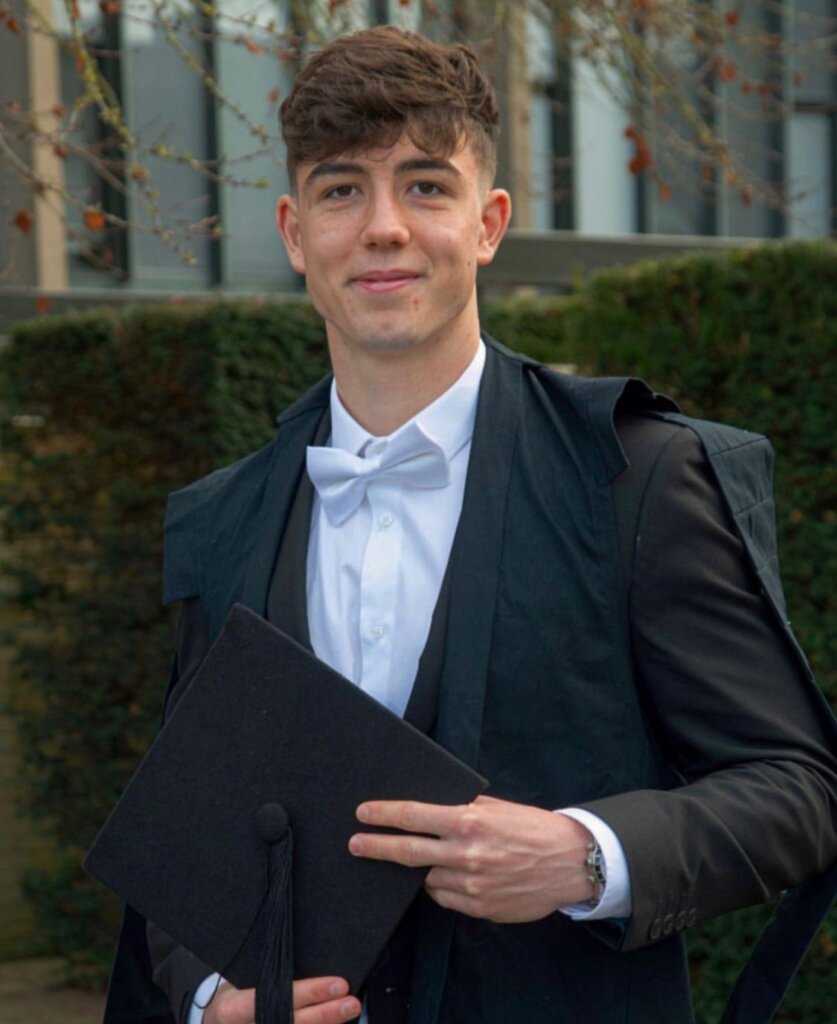
Finlay
Finlay is an Oxford medic who tutors Biology with a clear, methodical style. He works topic by topic through demanding material like biological molecules and respiration, building secure foundations before moving on to past-paper questions and exam technique.
Help your child turn understanding into marks
If your child understands the biology but the grade is not showing it, the right tutor can find the gap and close it. Reach out and we will pair them with a specialist Biology tutor matched to the course and their needs.
Find your child an IB Biology tutor in Hong Kong
BUILD THE TECHNIQUE THAT WINS MARKS
Our Oxbridge-educated Biology tutors are based in the UK and teach online across Hong Kong. They turn solid understanding into the accurate answers examiners reward.
Worth reading next
If this was useful, these guides go further on the same themes: our advice on how to get a 7 in IB Biology, the wider guide to IB tutoring in Hong Kong, and for students who also take Chemistry, how to get a 7 in IB Chemistry.
Frequently asked questions
