

Read this first
- Your child can revise properly and still receive the same English grade, because the exam also tests planned writing under time.
- School feedback often names planning, evidence or analysis, and it is not always clear which one is costing the marks.
- Ask your child to plan one answer in five minutes. What appears on the page gives you an early clue about what needs work.
- Answer structure can be taught step by step, and a tutor teaches it from your child’s own writing.
- The same core planning and evidence skills appear across many GCSE and IGCSE English tasks, and our UK-based tutors teach online at times that fit the Kuwait school day.
They do the work and the English grade stays the same
Your child does the homework, revises the set texts and still comes home with the same English grade. The feedback mentions planning, evidence or analysis, but it is not always clear which one is costing the marks. Families at schools such as The British School of Kuwait, Gulf English School and New English School will recognise the situation. It is often the point when a parent starts looking for a GCSE English tutor in Kuwait.
Here is the first thing to hold on to. But the grade does not automatically mean your child is bad at English. One part of the written answer may need work. For instance, they may start without a plan, choose evidence that does not support the point or stop the analysis too early.
They write a full page and still lose marks
A long answer can still lose marks when the argument is unclear. For example, some students start writing before choosing their main point. Others include a quotation but stop before explaining why it matters. The page is full, but the answer does not develop far enough.
Laurie, one of our English tutors, was teaching exactly this in a lesson this July, walking a student through how an answer is built:
From a real lesson
“So, make sure you’re answering with the words of the question, putting it in your own words, and then having a quote.
”
Laurie, English tutor
Laurie said this in a July English lesson. The same basic structure appears in many GCSE and IGCSE analytical responses: answer the question, explain the point in your own words and support it with evidence.
That structure can be taught step by step. Once it becomes familiar, your child is more likely to know how to begin.
What happens when they have five minutes to plan?
You do not need to mark an essay to see where your child stands. First, pick one question from a past paper or a recent test. Do not ask them to write the answer. Instead, ask them to plan it, on paper, in five minutes.
Try this with one past paper question
The check
Ask for a plan, not an answer. Three or four points are enough, each with a piece of evidence they would use. Any planning format is fine.
Outcome one
No real plan appears. The method may be the gap. Planning an argument is a skill, and it may not be secure yet.
Outcome two
A plan appears, but the points are vague. Look at analysis vocabulary and evidence choice. The ideas need sharper words.
Either outcome gives the tutor a useful starting point.
What to try tonight
Run the five-minute plan on one question tonight. Keep the page. If you book a first lesson, send it to us, because a real plan from your child shows a tutor more than any description could.
Every essay seems to go wrong for a different reason
Tariq had the ideas and no method
Tariq’s name is invented, and his story blends several students we have taught. So do Farah’s and Zeina’s below. The teaching in each story is real. Tariq had moved to a British curriculum school from a system where essays were not part of English lessons. He understood his set novel well and could talk about its themes with confidence. Nobody had shown him how to turn that into an essay. So his tutor started at the true beginning: plan first, one point per paragraph, evidence before explanation. Over the following term, his method became clearer, and the essays began to sound like the boy who could talk about the book.
Farah noticed things but had no words for them
Farah could feel when a writer was doing something clever. She had no names for what she noticed, so her analysis came out as “this makes it more interesting”, which may earn few analysis marks because it does not explain the writer’s choice. Her tutor then built her a working vocabulary one device at a time, from pathetic fallacy to juxtaposition, and taught her to name what the writer is doing before explaining why it works. Her paragraphs began to improve over the following weeks.
Zeina wrote well at home and rushed in the exam
Zeina wrote thoughtful paragraphs when she had all evening. But in class, with the clock running, her writing turned rushed and thin. So her tutor made speed part of the training: short paragraph drills against a timer, then feedback on exactly what dropped away under pressure. With regular practice, the gap between her homework and her exam writing began to narrow.
Does the same English grade mean they are falling behind?
A grade that has stayed the same does not tell you which skill needs work. Your child may be losing marks because the answer is not planned, the evidence is weak, the analysis stops too soon or time runs out. The five-minute check gives you a useful place to start.
For national context, in Ofqual’s summer 2025 results for England, 21.8% of GCSE entries across all subjects reached grade 7 or above. The figure provides national context only. It cannot explain one child’s English grade or how students in Kuwait perform.
Did your child struggle to plan the answer?
Tell us what happened in the five-minute check and which course your child takes, GCSE or IGCSE. We will match them with an English tutor who starts from their real writing.
Book a LessonWill a GCSE English tutor in Kuwait help if school is already covering the course?
Yes. The lessons work on the written skills your child needs, from planning and evidence selection to analysis and timed writing.
When English marks disappoint, many students return to the novel or anthology. That may strengthen their knowledge of the text, but it may leave the written skill that is costing the marks untouched.
Our tutors work directly from your child’s writing. The first lesson will usually begin with a recent essay or paragraph. The tutor looks at how your child plans, uses evidence, develops analysis and manages time. They then agree a focused plan with your child, so everyone knows what the following lessons will cover.
The tutor works to your child’s exam board and set texts. You receive a written report after every lesson, and follow-up practice is added to the shared board. Homework reminders are also sent by email.
Inside a lesson
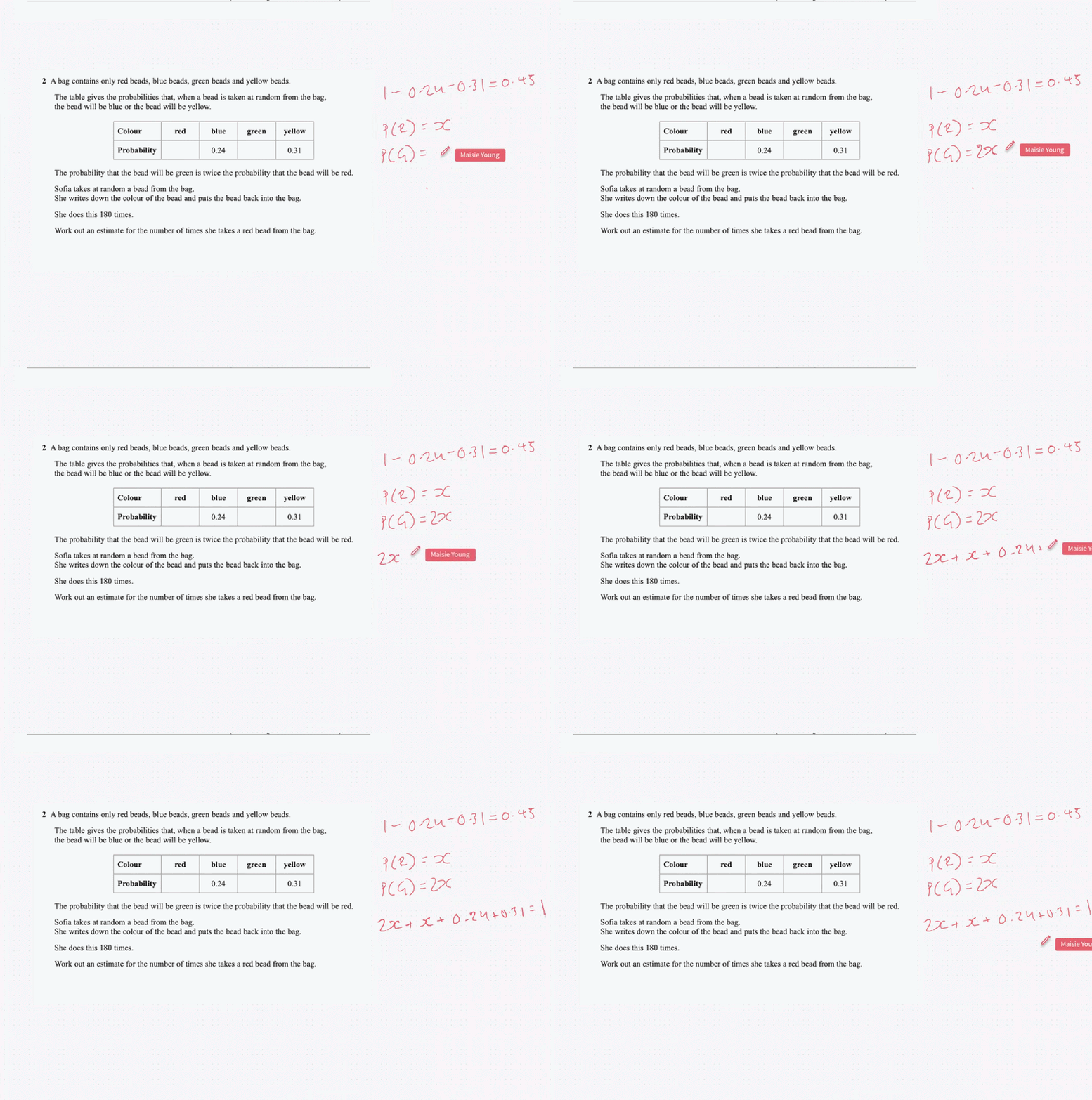
This clip is from a real Greenhill Academics lesson, recorded live. It shows a maths lesson on the same shared board your child would use in English, with the work and the feedback side by side.
Who your child would work with
Oxford-educated tutors, teaching GCSE and IGCSE English online across Kuwait
Laurie · English, Oxford
Laurie holds a Double First in English from Oxford and specialises in essay writing. He teaches GCSE and IGCSE English, and he is particularly good at showing a student how an answer is built, point by point, before they write a word.

Louis · English and Philosophy, Oxford
Louis graduated from Oxford with a First in Philosophy and French, after taking the IB with three 7s at Higher Level. He teaches GCSE and IGCSE English with a thoughtful, analytical style, and he is especially good at building the planning habit that turns a blank page into a clear argument.
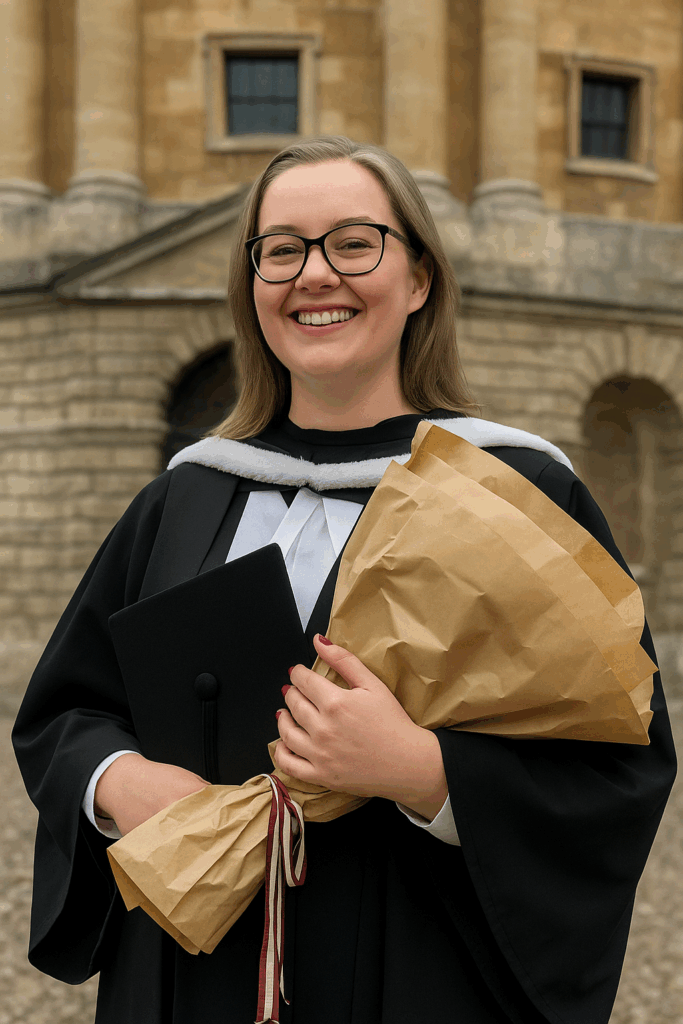
Mimi · Modern Languages, Oxford
Mimi studied Modern Languages at Oxford and is now reading for a Master’s at the LSE. She teaches GCSE English Literature with care and clarity, and she is particularly good at helping students organise their evidence so a timed answer holds its shape.
Questions parents in Kuwait ask about GCSE English
How do I find a good GCSE English tutor in Kuwait?
Look for a tutor who teaches your child’s board and set texts, and who works on your child’s actual writing rather than talking about the books in general. At Greenhill Academics we match each student with a specialist and teach online, which works well for families in Kuwait.
My child has not written essays before. Is that a problem?
It is more common than you might think, especially for students who joined a British curriculum school partway through. A tutor starts at the true beginning: planning, choosing evidence, then writing. Students who learn the craft from scratch often end up with a very clear method.
Do you cover both English Language and English Literature?
Yes. Many students take both English Language and English Literature, and the skills overlap heavily: analysis, evidence, and structured writing serve both papers. The tutor balances the two based on where your child needs the most ground, and on which exams come first.
Are your English tutors based in Kuwait?
No. Our tutors are based in the UK and teach online, so your child learns from an Oxford or Cambridge educated specialist while staying at home in Kuwait. Lessons are scheduled around the time difference and sit comfortably after school.
How long does it take to improve a GCSE English grade?
It varies by child. A tutor can give you a clearer view after reviewing recent work and seeing how your child plans and writes under time. Starting before the mocks gives the most room to work with.
Ready to find out which skill is costing the marks?
Tell us which course your child takes, GCSE or IGCSE, and what happened in the five-minute planning check. We will match them with an English tutor who fits their board, their texts and their starting point.
Book a Lesson