


In this article
- Why most lost marks in IGCSE Physics are really maths marks
- The topics where pupils stall: electricity, moments, and the rest
- Required practicals and the questions examiners build from them
- What to look for in an IGCSE Physics tutor in Hong Kong
- Fitting physics sessions into a Hong Kong week
- Meet a few of our physics tutors who work with Hong Kong families
- The seven things that matter most
- Frequently asked questions
Here is the pattern we see most often with IGCSE Physics in Hong Kong. A pupil understands the physics. They can explain why a current splits at a junction or why a heavier flywheel is harder to stop, yet still come home with a disappointing mark. When you look at the paper, the lost marks are almost never on the concept. They are on the rearranged equation, the missed unit conversion, the power of ten dropped in standard form. IGCSE Physics tutoring in Hong Kong has to start from a truth most pupils and many tutors underestimate: the subject is quietly a maths exam in disguise.
Effective IGCSE Physics tutoring in Hong Kong treats the physics and the maths as one skill, not two. This guide explains where the marks actually go, the topics that reliably cause trouble, how the practical questions work, and what to look for in a tutor. It also covers arranging sessions from Hong Kong, and introduces a few of the physics tutors who work with families here.
The short version
In IGCSE Physics, most lost marks are maths marks: rearranging, units, standard form. Find a tutor who teaches the calculation and the concept together, and who knows your child’s Edexcel or CIE paper.
Speak to us about IGCSE Physics tutoring in Hong Kong
A short, no-pressure consultation. We’ll listen, suggest a few tutors, and let you decide from there.
Why most lost marks in IGCSE Physics are really maths marks
Ask a physics teacher where their pupils lose marks and most will not say “they don’t understand forces”. They will say the class understands the physics but cannot reliably do the maths under exam pressure. This is the central fact of IGCSE Physics. It shapes everything a good tutor does.
Consider what a single calculation question demands. The pupil must select the right equation and rearrange it to make the unknown the subject. They must convert units, handle any powers of ten, and present the working so method marks survive a wrong final answer. The physics is one step out of five. A pupil who is shaky on rearranging loses marks everywhere a formula must be turned around. That means momentum, pressure, the equations of motion, and electrical power. The weakness looks like a physics problem on the report, but it is a maths problem on the page.
This is also why a maths-confident pupil often finds physics calculations straightforward. A physics-confident pupil can struggle on the same questions. The answer that IGCSE Physics tutoring in Hong Kong is built around is not more physics revision. It is targeted work on the specific maths physics needs: rearranging, units, standard form, and reading values off a graph. A tutor who sees this teaches both at once. The marks then return quickly.
A two-minute check: is it the physics or the maths?
Take a calculation your child got wrong and ask them to talk you through it. If they can state the right equation and explain the physics but the numbers came out wrong, the gap is mathematical, and it is quick to close. If they could not choose the equation or did not know which quantity the question wanted, the concept needs work first. The same wrong answer has two completely different causes, and knowing which one you are dealing with is half the battle.
The topics where pupils stall: electricity, moments, and the rest
Some IGCSE Physics topics cause far more trouble than others. A tutor who knows the usual sticking points can move straight to them rather than reviewing the whole course.
Electricity is the classic one. Series and parallel circuits ask pupils to track current and voltage through branching paths. The rules feel counterintuitive until they click. Pupils who have half-learned them tend to guess. Moments and turning forces are another. The principle of moments combines a physical idea with a calculation, and pupils who can recite it still misplace the pivot or the distance. The equations of motion catch out pupils who memorised the formulae blind. They miss which one applies when acceleration is constant.
Waves and radioactivity bring their own demands. They reward less calculation and more precise vocabulary and clear diagrams. A tutor’s value here is knowing which topics reward concept work and which reward calculation drilling. That judgement comes from recent experience of the paper. That focus is what makes one hour a week productive rather than scattered.
Formula recall: sheet or memory?
Boards differ on whether pupils get a formula sheet or must recall key equations from memory, and it changes how your child should revise. Where equations must be memorised, a tutor builds that recall deliberately and checks it under timed conditions. Where a sheet is provided, the skill shifts. Now it is about choosing the right equation quickly and using it correctly. Knowing which regime your child sits under is a question worth asking before any revision plan is made.
Looking for the right IGCSE Physics tutor for your child?
Tell us the school, the exam board, and the target grade. We’ll match your child with a tutor who fits.
Required practicals and the questions examiners build from them
IGCSE Physics rewards pupils who understand experiments, even when the exam is sat with a pen rather than in a lab. Examiners build questions around standard practicals: measuring the resistance of a wire, finding the density of an object, investigating the extension of a spring. They expect pupils to reason about method.
The marks here go to pupils who can name the independent and dependent variables and identify what must be controlled. They also spot a source of error and read a results table without slipping. A pupil who only memorised conclusions struggles. The questions test the thinking behind the experiment rather than its result. Good IGCSE Physics tutoring in Hong Kong teaches the experimental method the way the paper examines it, then practises the question styles until they are familiar. Depending on the board, this may be assessed through a dedicated practical or alternative-to-practical paper, which is another reason to confirm your child’s exact specification.
What to look for in an IGCSE Physics tutor in Hong Kong
The right physics tutor for your child can tell, within a session, whether a wrong answer came from the physics or the maths, and can teach both. A few things mark out a specialist.
They teach the maths physics depends on
This is the single most useful quality. Ask a prospective tutor how they help a pupil who understands the physics but loses marks on calculations. A strong answer involves teaching rearranging, units, and standard form directly, and showing the pupil how to lay out working so method marks are safe. A weaker answer treats the problem as needing more physics, which misses the cause entirely.
They know your child’s board and its practical format
Edexcel and CIE structure their papers and their practical assessment differently. Ask which board the tutor has taught most recently, and whether they have prepared a pupil for that exact IGCSE Physics paper in the past year. A tutor who knows whether your child faces a separate practical paper, and whether equations are given or recalled, will target the work precisely.
They can teach pupils working in a second language
Hong Kong classrooms are international, and a wordy physics question can become a reading problem. A six-mark question on energy transfer is lost if the pupil misreads what it asks. An experienced tutor teaches the command words: “state”, “describe”, “explain”, “calculate”. Your child then knows the task before reaching for the physics.
They have the depth to reach the top grades
The hardest IGCSE Physics questions combine a concept with a multi-step calculation, and that is where 9s are won and lost. At Greenhill Academics, our physics tutors hold degrees from Oxford, Cambridge, and other leading universities, many in physics, engineering, or maths-heavy sciences. That depth lets them guide a pupil through stretch questions fluently rather than reading from a mark scheme.
Fitting physics sessions into a Hong Kong week
Hong Kong runs eight hours ahead of London, so a UK tutor’s morning is your child’s evening. Sessions between about 4pm and 8pm Hong Kong time line up neatly with a tutor starting their working day. They rarely clash with school or with the tutor’s other bookings.
IGCSE Physics tutoring in Hong Kong suits short, frequent practice more than long marathons, because calculation fluency is built by repetition. Twenty minutes of rearranging equations, several times a week, beats a single long cram. A weekly session that sets that rhythm, then holds your child to it, is where the steady gains come from. Weekend mornings in Hong Kong, which are Friday and Saturday evenings in the UK, give extra options when weekday slots are full.
Meet a few of our physics tutors who work with Hong Kong families
Our physics tutors hold Oxford, Cambridge, or top-university degrees, and several have taught physics to international pupils across Asia. Below are three who work regularly with families in Hong Kong.

Murray
Murray read his degree at the University of Oxford and tutors Physics, Maths, and Chemistry. Because he teaches maths too, he is quick to spot when a physics mark was really lost on the rearranging. He fixes the maths and the physics in the same session. He works across IGCSE, GCSE, and A Level and is a strong fit for a pupil whose calculations let them down.

Hugh
Hugh holds a First-Class MSci from Imperial College London and a DPhil from Oxford. He is precise and structured, exactly what the calculation-heavy topics like electricity and moments call for, and he is patient with pupils who find the maths daunting. He teaches Physics, Maths, and Further Maths from IGCSE to A Level, and is used to working with international families.
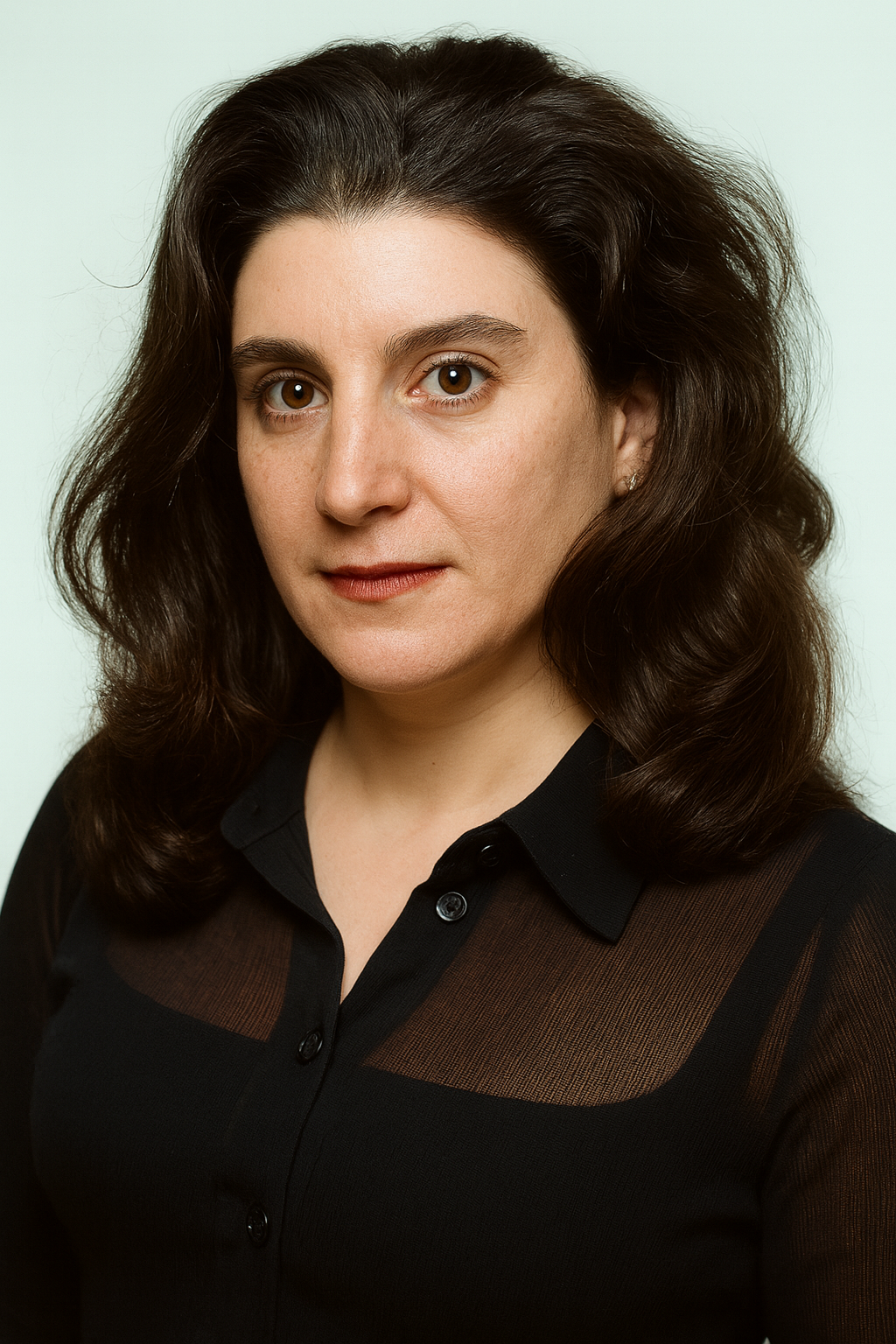
Liza
Liza is a Chevening Scholar at the LSE with further study at Yale, and teaches Physics and Maths across IGCSE and A Level. She is warm and encouraging with pupils who have lost confidence, and has a knack for making the maths inside physics feel approachable. Her international background makes her a natural fit for families based in Hong Kong and across Asia.
The seven things that matter most
If you remember nothing else from this guide, remember these.
- Most lost marks are maths. Rearranging, units, and standard form cost more marks than physics itself.
- Diagnose the wrong answer. Decide whether it failed on the physics or the calculation before revising.
- Target the usual suspects. Electricity, moments, and the equations of motion stall pupils most.
- Check formula recall. Some boards give a sheet, others expect equations from memory, which changes revision.
- Learn the practicals as method. Variables, control, and error are examined, rather than only the result.
- Practise little and often. Calculation fluency is built by short, frequent repetition, not marathons.
- Use the eight-hour gap. UK mornings meet Hong Kong evenings, so weekly sessions slot in easily.
Get those right and the grade tends to follow. Physics is more coachable than most pupils believe, because so many lost marks come from a fixable maths habit rather than a failure to understand. For pupils strengthening the fundamentals, our guide to smart physics revision and our guide to using physics past papers go further. If your child studies more than one subject with us, see our companion guides to IGCSE Maths tutoring in Hong Kong and IGCSE Chemistry tutoring in Hong Kong. Families newer to the UK system may also find our IGCSE guide for families in the UAE useful.
Ready to find an IGCSE Physics tutor for your child in Hong Kong?
If your child needs targeted support at IGCSE Physics, get in touch. We’ll talk through the school, the exam board, and whether the marks are being lost on the physics or the maths. Then we will match your child with a tutor who fits.
Premium IGCSE Physics Tutoring for Hong Kong-Based Families
OXBRIDGE-GRADUATE TUTORS, ONLINE, MATCHED TO YOUR CHILD
Frequently asked questions
Practical questions about physics, scheduling, and confidence
Useful external references for parents: the UCAS website sets out how international qualifications feed into UK university applications. The Pearson Edexcel International GCSE pages publish the current IGCSE Physics specifications and past papers.
