


Your child knows the maths but keeps dropping marks on small things. The frustrating part is that they understand the method, then lose a mark to a stray minus sign or a rushed step. If you are in Dubai, you may have seen this at Dubai College, Jumeirah College, or Kings’ School Al Barsha. You know how it feels when the ability is clearly there but the grade does not show it. A good GCSE maths tutor closes those gaps, and this guide explains what to look for.
On this page
Why Dubai families look for a maths tutor
One student, three shifts that changed his marks
Three skills that move a GCSE maths grade
Technique matters as much as knowledge
What the first lesson looks like
When to start
Past papers and how to use them
Meet some of our maths tutors
Frequently asked questions
The short version
In GCSE maths, marks are usually lost to careless slips, harder algebra, and gaps in specific topics. A good tutor fixes all three, then proves it on a past paper.
Find your child a GCSE maths tutor
Oxbridge-educated tutors, based in the UK, teaching online across Dubai
Why Dubai families look for a maths tutor
GCSE maths is a subject where knowing the method is only half the battle. Your child can understand every topic and still drop marks. The exam rewards accuracy under time pressure, confidence with the harder algebra, and secure coverage of every topic on the specification. That is a different skill from following a lesson, and it is the one most students need help to build.
Schools in Dubai cover the content well. Yet a class of thirty cannot give each student the individual attention that turns understanding into reliable marks. Many sit IGCSE rather than the UK GCSE, however the demand is identical and so is the solution. Your child needs the method, then needs the technique to apply it accurately when it counts.
This is where a good GCSE maths tutor earns their place. They teach to your child’s exact board, set focused practice between sessions, and send back short written feedback after every lesson. The point is transfer. Your child takes a clear method into the next school assessment and sees it lift the mark.
One student, three shifts that changed his marks
Let me walk you through one student to make this concrete. Idris is a composite, blended from several Dubai students we have taught, so no individual family can be identified. His story shows where GCSE maths marks actually go, and how the right help recovers them.
Adding care to a strong method
Idris knew his algebra and could state the rules without hesitation. For example, he worked through a foundation paper and got the methods right almost every time. Yet marks slipped on small things, a dropped minus sign here, a rushed line of working there, and those slips added up across a full paper.
However, his tutor spotted this quickly and made care the focus. They slowed the working down and built a habit of checking each line before moving on, with particular attention to signs. As a result, the marks Idris had been losing to carelessness started staying on the page.
Securing the harder algebra
The second shift was the harder algebra that separates the top grades. Idris was confident factorising a quadratic when the leading coefficient was one. He needed a reminder for the trickier cases, where the coefficient was not one, and he had not yet met the difference of two squares applied to surds.
His tutor worked through every type of quadratic factorisation that might come up, then extended the method into surds so nothing on the paper could surprise him. They practised completing the square until it felt automatic. In practice, Idris moved from solid to genuinely confident across the algebra that earns the higher marks.
Does your child lose marks they should be getting?
A tutor can read their recent papers and show them exactly where the marks are going and how to win them back.
Book a LessonFilling the specific topic gaps
Specifically, the last shift was a handful of topics Idris had never fully secured. Histograms with frequency density, cumulative frequency, and conditional probability with set notation had each been taught quickly and then left behind. None was beyond him, but each had a small gap.
His tutor worked through these one by one, checking that each was fully secure before moving on. They kept a running list of the topics that needed another look, then returned to them in later sessions. By exam time Idris could handle every topic the paper might set, and the gaps that once cost him marks had closed.
Three skills that move a GCSE maths grade
Idris’s gains came from three skills, and those same three lift most students. A good GCSE maths tutor in Dubai builds all three on purpose rather than leaving them to chance.
Accuracy under pressure
Most students who understand the maths still lose marks to careless slips, and a dropped minus sign costs the same mark as not knowing the method. A tutor builds a habit of setting out working clearly and checking each line. As a result, the marks your child earns through understanding actually reach the page.
Confidence with harder algebra
The higher grades turn on the harder algebra, such as factorising quadratics where the leading coefficient is not one, completing the square, and working with surds. Many students are secure on the simple cases and shaky on the rest. A tutor therefore drills the full range until your child can handle whatever the paper sets.
Complete topic coverage
A single weak topic, whether histograms, cumulative frequency, or conditional probability, can quietly cost marks every time it appears. Because the specification is broad, these gaps are easy to miss in a busy class. A tutor finds them, secures each one, and revisits it later, so no topic on the paper catches your child out.
Technique matters as much as knowledge
Parents often assume that a higher maths grade means learning more content. In most cases, the marks are hiding somewhere else entirely. Your child almost certainly understands more than the grade reflects. The missing piece is the technique to apply that understanding accurately under exam conditions.
This is what a tutor gives that a textbook cannot. A good GCSE maths tutor reads your child’s own working, traces the repeated habit that holds the mark down, and corrects it head on. Whether it is a careless slip, shaky algebra, or a topic gap, the feedback is targeted and personal. That is what lifts a grade.
What the first lesson looks like
The first session is about working out where your child stands rather than rushing into delivery. The tutor diagnoses the real position, then agrees a plan together. There is no lecture, and no assumption your child is starting from scratch.
In practice it covers three things. The tutor checks your child’s current level by working through a handful of questions side by side. They pin down the weak topics, usually by noticing which question types bring hesitation. Then they agree what to prioritise, so your child finishes the first lesson knowing exactly what the coming weeks will cover. It is calm, clear, and focused from the very first session.
When to start
The ideal moment to begin is before the pressure builds. When a tutor works with your child across the year, there is room to fill topic gaps while new content is still being taught. They can build accuracy through practice and revisit weak topics more than once. That steady rhythm produces the most dependable results.
Even so, focused help in the closing months still changes the outcome. Accuracy and algebra technique can move fast once a student knows what to work on. Where your child knows the maths but the marks are not showing it, a tutor can often unlock a grade in a short window. Sooner is better, though it is rarely too late to help.
Past papers and how to use them
Past papers are the sharpest preparation tool your child has. They show the genuine question styles and the exact wording the board uses, and they reveal which topics still need work. Most Dubai students sit a UK GCSE or IGCSE with AQA, Edexcel, OCR, or Cambridge, and a tutor works to whichever board the school follows.
Working through papers with a tutor turns each one into a diagnosis rather than just practice. For families weighing the wider picture, our overview of tutoring in Dubai covers the support available across subjects and stages.
Meet some of our maths tutors
Each tutor below studied maths to a high level and teaches it week in, week out. All are based in the UK and teach online, which fits Dubai well. Here are three to introduce.

Murray
Murray is in his fourth year of Materials Science at the University of Oxford and achieved A*s at A Level in Maths, Chemistry, and Physics. He is patient and methodical, and is especially good at building the careful working habits that stop students losing marks to small slips.
Jessica
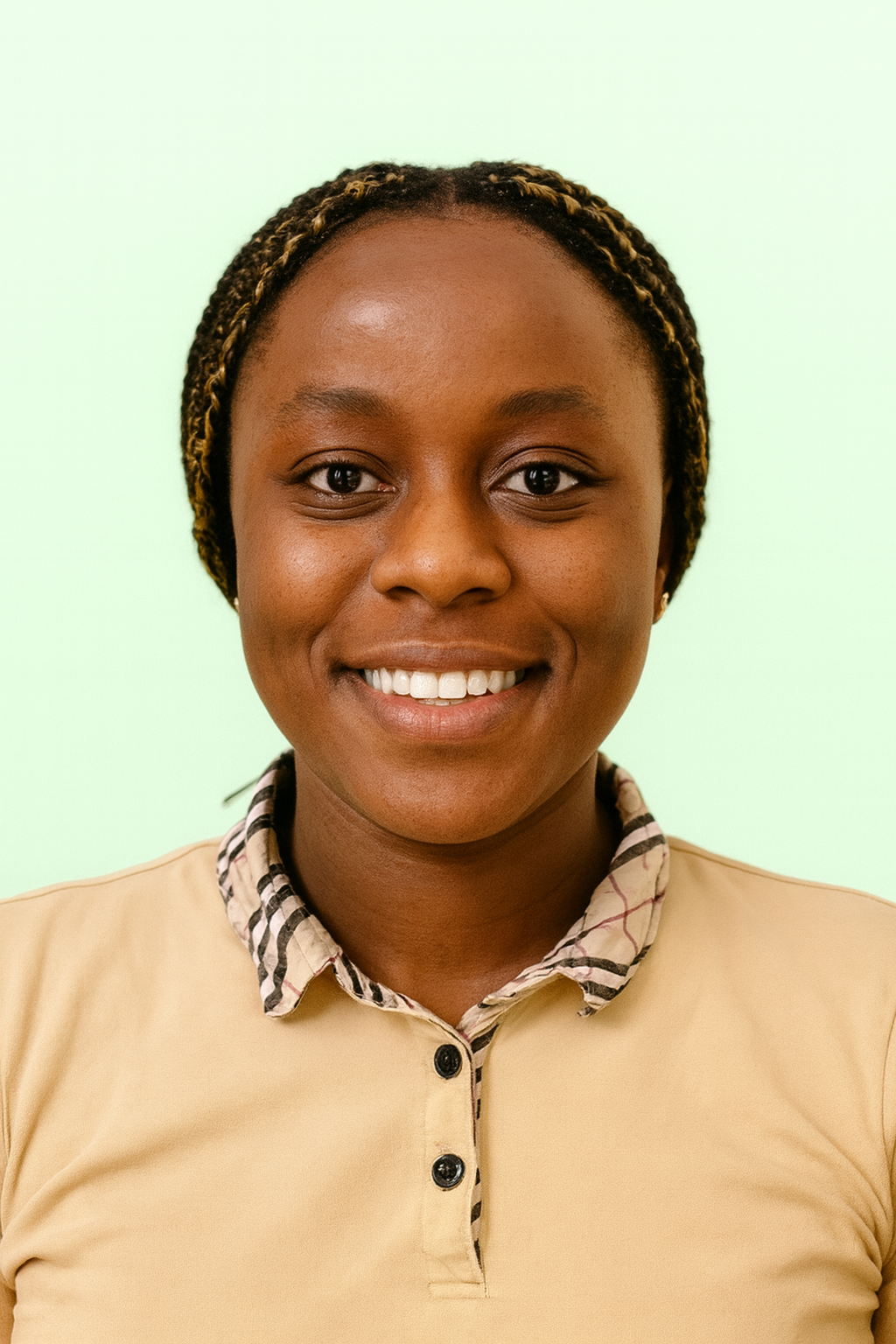
Jessica is in her fourth year of Medicine at the University of Cambridge and achieved four A*s at A Level in Maths, Further Maths, Chemistry, and Biology, with 12 A*s at GCSE. She tracks progress carefully and adapts each plan as a student improves, which suits learners who need specific topic gaps filled.
Naomi
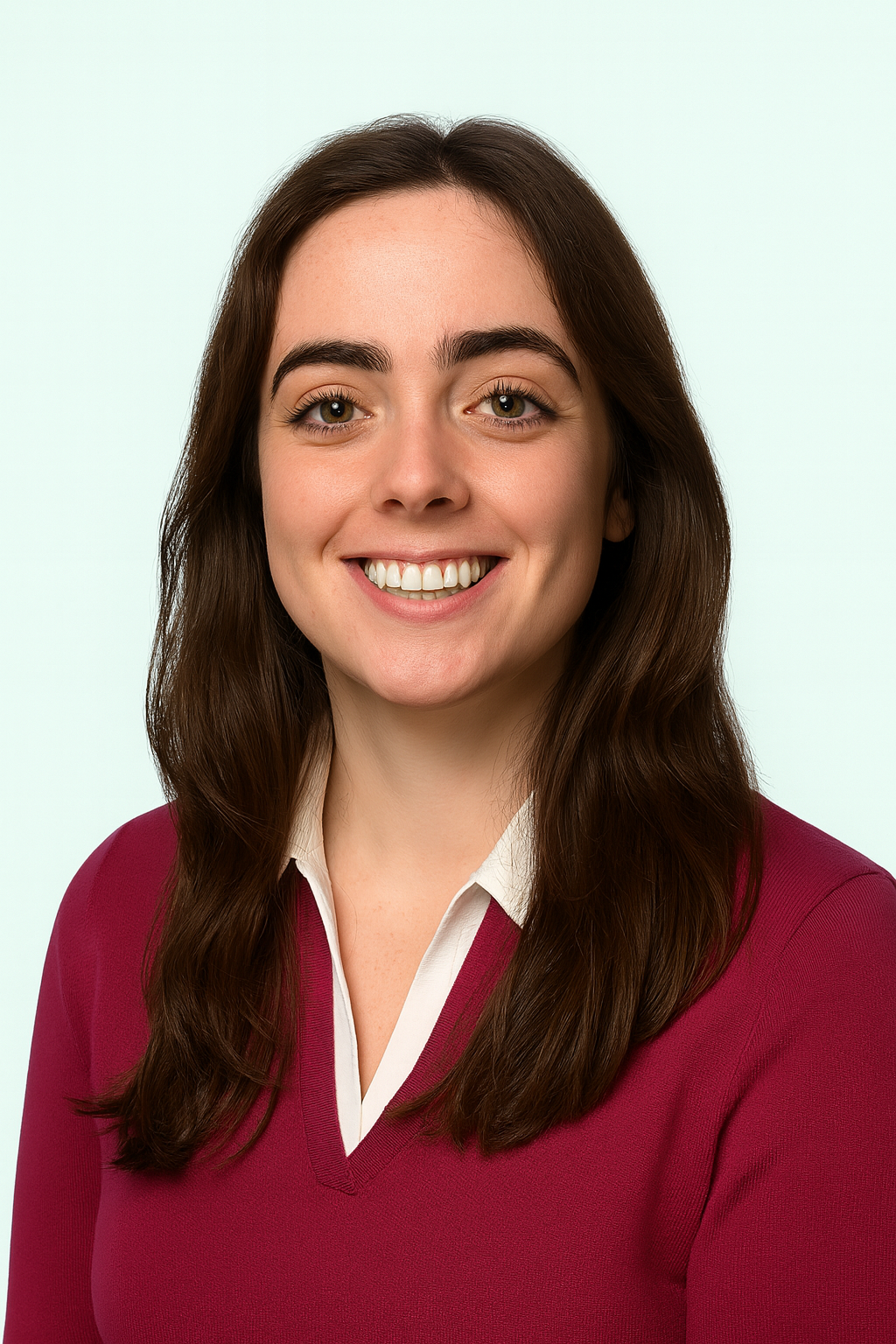
Naomi studied at the University of Oxford and brings a clear, encouraging approach to maths. She is skilled at building a student’s confidence with the harder algebra, and is patient in working through each step until a method feels secure and automatic.
Help your child turn understanding into marks
If your child understands the maths but the grade is not showing it, the right tutor can find the gap and close it. Reach out and we will pair them with a specialist maths tutor matched to their board and their needs.
Find your child a GCSE maths tutor in Dubai
CLOSE THE GAPS THAT COST MARKS
Our Oxbridge-educated maths tutors are based in the UK and teach online across Dubai. They turn solid understanding into accurate, reliable marks.
Book Your Free ConsultationWorth reading next
If this was useful, these guides go further on the same themes: our step-by-step walkthrough of factorisation in GCSE Maths, our guide to solving quadratic equations, and the guide to GCSE Maths tutoring in the UAE.
Frequently asked questions
