


Your child understands the topic in the lesson, then drops marks on the paper that make no sense to either of you. A missed minus sign here, a rushed calculation there, and a grade that sits below the understanding behind it. For many parents across Singapore, that is the quietly frustrating shape of Maths. At Tanglin Trust School, Dulwich College Singapore, Dover Court International School, Nexus International School, or One World International School, the issue is rarely that a child cannot do the maths. The marks come from doing it accurately, from secure foundations, and from knowing how to start an unfamiliar question, and that is exactly what a good GCSE Maths tutor changes. So this guide takes a different route. It follows one student through a series of lessons, taken from our own records, to show what genuinely lifts a grade.
On this page
- One student’s run of Maths lessons
- The three things that lift a Maths grade
- Why Maths rewards accuracy and method, not memory
- What the first lesson looks like
- The right time to bring in a GCSE Maths tutor
- Exam boards and official resources
- Three tutors we’d recommend for Singapore families
- Questions Singapore parents ask
The short version
A strong Maths grade rewards accuracy, secure foundations, and a reliable way into any question. Understanding the topic alone will not get a child there. Most Singapore schools sit IGCSE, and our tutors cover both routes.
Maths tutoring that turns understanding into marks
UK-based Oxbridge tutors for Singapore families, building the accuracy and method a strong grade needs.
One student’s run of Maths lessons
Everything that follows is taken directly from our own lesson notes at Greenhill Academics. We will call the student Maya. She is a composite of students we have taught, with her name and details changed for privacy, though every setback and turning point is real. Her story matters because it is so familiar. Maya did not struggle to understand the maths. She lost marks to the things around it, and those are exactly the things a tutor can fix. The same pattern fits many Singapore families whose child is sitting below their potential.
She knew the maths but kept losing marks
Maya understood the topics. For instance, she could factorise, solve simultaneous equations, and work out areas and probabilities. Yet her papers came back with avoidable mistakes scattered through them. A dropped minus sign, a slip when grouping terms, a rushed line of working that went wrong. The understanding was there, so the lost marks were maddening.
So her tutor treated accuracy as a skill in its own right. In practice, they built a habit of checking each step, of slowing down on the operations that tripped her, and of reading every line back before moving on. Because the carelessness was named and worked on directly, the slips began to disappear. Maya’s marks rose to meet the understanding that had always been there.
The foundations underneath were shaky
The second pattern lay deeper. Some of the basics were not yet automatic, so harder topics wobbled. Fractions, prime factors for highest common factor and lowest common multiple, and substituting numbers into algebra all needed firming up. When the foundations are uncertain, every topic built on them feels harder than it should.
So her tutor went back and drilled the fundamentals until they were second nature. Specifically, they practised fractions until Maya was quick and confident, used prime factors as a reliable method, and worked through substitution until it felt routine. As a result, the harder material stopped feeling shaky. With solid ground beneath her, Maya could give her attention to the actual question rather than the arithmetic.
No way into an unfamiliar problem
The third area was knowing where to begin. Often, faced with a geometry problem or a multi-step question, Maya froze, unsure of the first move. Her tutor gave her a simple checklist for a shape: which angles are equal, are there parallel lines, are any sides the same length. With a method to reach for, the blank-page moment passed and she could make a start. The grade at the end of the course is between Maya and the exam board. The journey to it, though, is what a tutor opens up, and it is within reach of any Singapore family ready to commit to the weekly work.
Your child may be sitting Maths in Singapore with marks that do not match their understanding. The right tutor can read their working and pinpoint exactly where the marks are slipping. Book a free consultation.
The three things that lift a Maths grade
Maya’s run points to three things that separate a capped grade from a strong one. Indeed, they recur across most of the Maths students we have taught. Each deserves naming, because a class of thirty rarely has room to build all three properly.
First, accuracy as a skill. Understanding a topic is not the same as scoring it. The exam rewards a student who works cleanly, checks each step, and catches the minus sign before it costs a mark. Therefore the work is a deliberate checking routine, so good understanding is not undone by avoidable slips.
Second, secure foundations. Most marks lost on harder topics trace back to shaky basics underneath. A strong student has fractions, prime factors and substitution at their fingertips, so attention is free for the real problem. In practice, firming up the fundamentals is what steadies everything built on top.
Third, a way into any question. A child can know the content and still freeze when a problem looks unfamiliar. The fix is a repeatable method, a checklist to reach for when the first move is not obvious. Specifically, a reliable approach turns a daunting question into a series of manageable steps.
Build the skills the exam rewards
A specialist tutor works through each of these in turn, until accuracy and method become second nature.
Why Maths rewards accuracy and method, not memory
Some subjects reward sheer recall. In many subjects you study the content, write it out, and the marks arrive. Maths works on a different logic, which is why a child who knows every rule can still feel stuck. Knowing how a topic works is the easy part. The marks live in doing it accurately, resting it on secure foundations, and finding a way into the question in front of you. Because of this, a child can understand plenty and still plateau, because understanding alone is not the bottleneck.
This is also why individual tutoring fits the subject so neatly. A tutor watches your child’s working and catches the exact step where the slip creeps in or the method runs out. In a class, that moment passes unseen. One to one, it becomes the next thing your child works on. For a student whose grade has stalled despite real effort, that close attention is usually what unlocks the next band.
What the first lesson looks like
The opening session works as a diagnosis rather than a lecture. The tutor gets your child working through questions early, because that is how the real gaps show. Within a lesson it usually becomes clear whether the weakness sits in accuracy, in shaky foundations, in knowing where to start, or in a particular topic. Nothing is assumed from the grade alone.
From there, a short set of priorities is agreed with your child, and with you where useful. Maybe it is a checking routine to stop the avoidable slips. Maybe it is firming up the fundamentals underneath. Crucially, the plan is targeted, built from what that diagnosis shows, and it changes as your child improves. That is the difference between tutoring and simply doing more practice papers.
The right time to bring in a GCSE Maths tutor
The start of Year 10 is the most common point. It gives a tutor the two years of the course to build accuracy, secure the foundations, and embed a reliable method. For a child targeting a strong grade, this is the timeline that compounds, because clean habits need months of regular use before they hold under exam pressure.
Even so, real progress can begin at any point. Year 9 is valuable for securing the foundations before the course gets going. Equally, a Year 11 student with mocks approaching can rebuild a specific weakness, say accuracy under timed conditions, in a focused block of sessions. An earlier start gives those habits longer to settle. A later start simply calls for sharper focus.
Exam boards and official resources
The exam boards themselves are the source for specifications and past papers. Most international schools in Singapore enter students for IGCSE Maths, usually Cambridge or Pearson Edexcel, rather than UK GCSE. The two are closely comparable, and the skills of accuracy, fluency and method carry across all of them. So check which board your child’s school follows before buying revision material, because the papers and tiers differ. For targeting the avoidable errors specifically, our guide on the most common GCSE Maths exam mistakes is a useful starting point.
IGCSE Maths official exam board pages
Go to the official source for your child’s exam board.
Three tutors we’d recommend for Singapore families
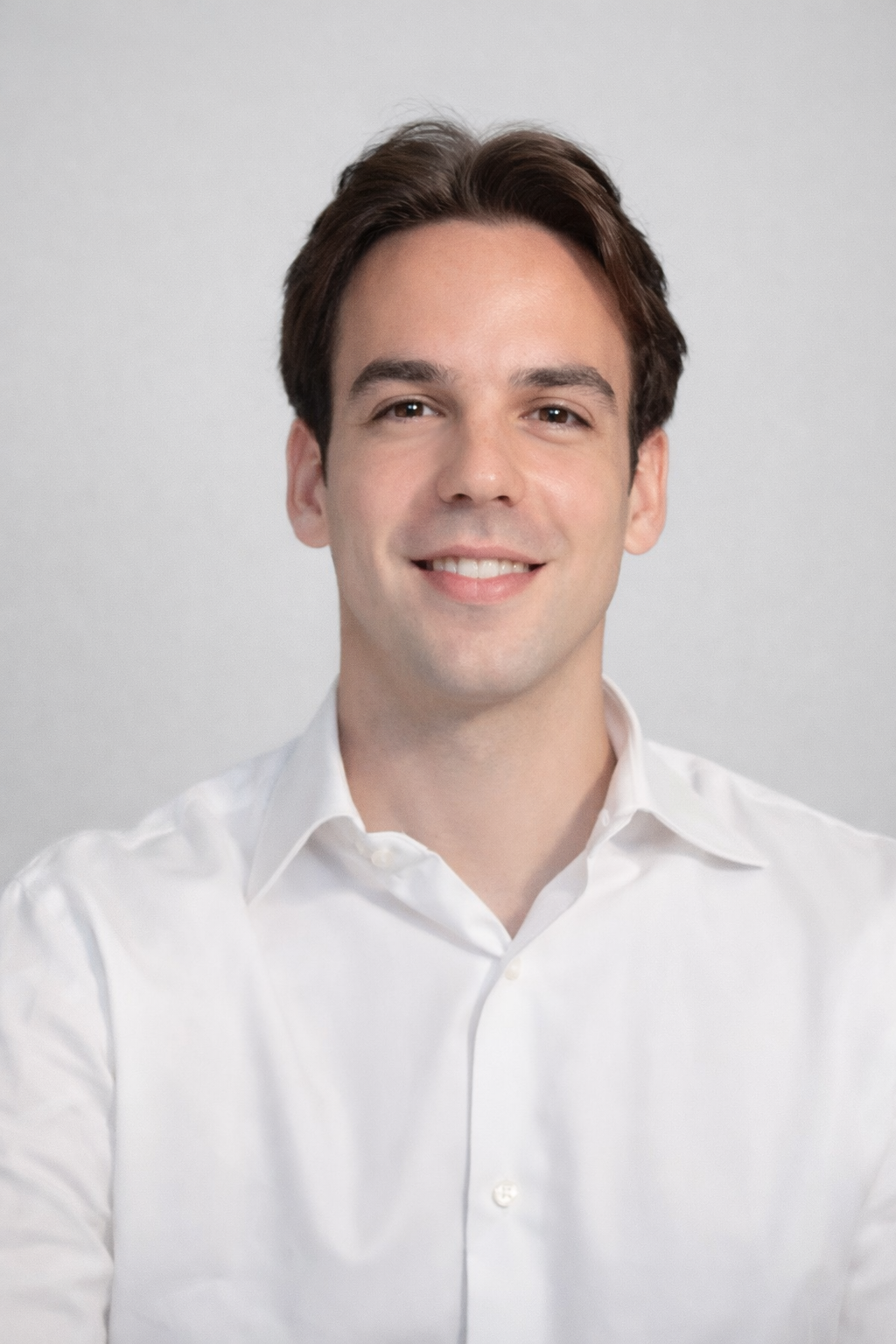
Martin
Martin is a mathematician through and through, with a Distinction in his Oxford master’s and a Cambridge PhD in applied maths under way. He teaches Maths and Further Maths, and he has a real gift for making accuracy and clear method feel natural rather than fussy.

Gonzalo
Gonzalo took a First in Chemistry at the University of Oxford, with A*s in Maths and Further Maths along the way. He teaches Maths across the secondary years and is patient and methodical, which suits a child who needs to firm up the foundations and stop losing easy marks.

Murray
Murray studies Materials Science at the University of Oxford, with A*s in Maths, Physics and Chemistry. He teaches Maths and is good at showing a student how to start a problem they have never seen, turning a blank page into a clear first step.
These are three of the GCSE Maths tutors we work with. We match each family to a tutor by board, current grade, and the specific gaps to close. This holds whether they are sitting Cambridge IGCSE, Edexcel, or another board at their Singapore school.
Ready to lift your child’s Maths grade?
Perhaps your child understands more than their marks suggest, and the grade sits a band or two too low. The right tutor can find the real gap and close it. Get in touch and we will match your Singapore family with a specialist GCSE Maths tutor for a free consultation.
A strong Maths grade is closer than it feels for Singapore families
START YOUR CHILD’S PATH TO A STRONG GRADE
Our UK-based Oxbridge tutors give Singapore families the accuracy, secure foundations, and method that separate a capped grade from a strong one. The sort of targeted coaching no class of thirty can provide.
More Maths resources from our blog
Questions Singapore parents ask
About grades and the subject
About working with a UK-based tutor in Singapore
