Building Top A Level English Essays in Doha

Russell Greenhill
By Russell Greenhill
Founder & CEO @ Greenhill Academics
Oxford Master’s Graduate • 8+ Years Tutoring Experience

Your child has good ideas about a text but cannot shape them into a clear argument on the page. The essays come back with feedback about structure, not understanding. A good A Level English tutor sharpens that argument. In Doha, you may have seen this at Doha College, Sherborne Qatar, or Park House English School. It is frustrating to watch real insight score below its worth. This guide explains what to look for.

On this page

Why ideas alone do not improve the grade
How three changes improved one student’s grade
Three skills that move an A Level English grade
Technique matters as much as ideas
What the first lesson looks like
Unseen poetry and comparison
Meet some of our English tutors
Worth reading next
Frequently asked questions

The short version

In A Level English, marks are usually lost on argument, depth of analysis, and weak conclusions, not on ideas. A good tutor fixes all three, then proves it in the next essay.

Find your child an A Level English tutor

Oxbridge-educated tutors, based in the UK, teaching online across Doha

Why ideas alone do not improve the grade

A Level English rewards more than having ideas. Your child can understand a text deeply and still drop marks. The exam wants a clear argument, evidence analysed in depth, and a conclusion that reaches a real judgement. That is a different skill from reading well. Moreover, it is one most students are never taught directly. The step up from understanding a poem to writing a top-band essay about it is one some students make slowly on their own.

This is where a good A Level English tutor earns their place. They read your child’s essays closely, then set targeted writing between sessions. They also send back short written feedback after every lesson. The point is transfer. Your child takes a sharper method into the next school essay and sees it improve the mark.

How three changes improved one student’s grade

Let me walk you through one student to make this concrete. Yousef is drawn from several Doha students we have taught, with the details changed so no family can be identified. His story shows where A Level English marks actually go, and how a tutor helps recover them.

From vague ideas to a clear argument

Yousef understood his texts and had plenty to say about them. For example, he handed in a paragraph with some genuinely good ideas. Yet they felt vague and unclear on the page. The thoughts were there, but they did not build into a clear argument with evidence analysed in depth. However, his tutor spotted this quickly. Together they worked through the paragraph line by line. They found exactly what Yousef was trying to say, then rebuilt it so the point led and the evidence followed. As a result, the clarity and control of his argument improved markedly.

Close reading that earns marks

The second change was the depth of his analysis. Yousef could identify a technique, but often stopped before explaining its effect, which held the marks back. Studying Sylvia Plath’s poetry, he had learned several literary devices. He had not yet applied them with real care. Therefore his tutor taught him to slow down on each quotation and draw out how the language shapes meaning. They worked closely through a poem such as “Poppies in October”. They focused on the personal voice and the conflict in the poem, so his reading went deep. In practice, Yousef began turning observations into analysis that the mark scheme rewards.

Does your child lose marks they should be getting?

A tutor can read their recent essays and show them where the marks are going and how to improve them.

Comparison under exam conditions

The last change was comparison, where Yousef felt least secure. Faced with an unseen poem or an anthology comparison, he tended to write about each poem in turn. He did not hold them together in a single argument. The structure worked against him. So his tutor built a clear method for approaching comparison. They practised on unseen poems and on the anthology, so the technique held under time pressure. They worked on opening with a clear main point and weaving both texts through it. By exam time, Yousef could compare with confidence, and his essays read as developed arguments from first line to last.

Three skills that move an A Level English grade

Yousef’s gains came from three skills, and those same three help most students. A good A Level English tutor in Doha builds all three on purpose, rather than leaving them to chance.

A clear line of argument

Top-band essays carry a single, developed argument rather than a scatter of points. Many students lose marks because their writing, though full of good ideas, reads as unclear. Therefore a tutor teaches your child to decide what they want to say. Every paragraph then serves that case, and the essay becomes an argument the examiner can follow.

Evidence analysed in depth

Quoting a text is not analysis, and the marks are in the analysis. Strong answers choose evidence carefully, then unpack how the language, form, and structure create meaning. As a result, a tutor trains your child to slow down on each quotation and draw out its effect. They use the assessment objectives examiners reward.

Conclusions that pull it together

A weak conclusion repeats the essay, while a strong one pulls it together into a clear view. Students often run out of energy at the end and simply summarise. Therefore a tutor teaches your child to write a findings-oriented conclusion. It returns to the argument and resolves it, so the essay leaves a clear final impression.

Technique matters as much as ideas

Parents often assume that a higher English grade means reading more or having cleverer ideas. In most cases, however, the marks are hiding somewhere else. Your child almost certainly understands more than the grade reflects. The missing piece is the technique to turn that understanding into a clear, evidenced argument under exam conditions.

This is what a tutor gives that a textbook cannot. A tutor reads your child’s own essays. They trace the repeated habit that holds the mark down, and correct it directly. Whether it is an unclear argument, shallow analysis, or a weak conclusion, the feedback is targeted and personal. That is what improves a grade.

What the first lesson looks like

The first session is about working out where your child stands. The tutor works out where your child really is, then agrees a plan together. There is no lecture, and no assumption your child is starting from scratch.

In practice it covers three things. First, the tutor reads a recent essay or a piece of writing on a set text. They notice where the argument is strong and where it drifts. Next, they pin down the main issue, whether structure, depth of analysis, or the way essays open and close. Then they agree what to prioritise, so your child finishes the first lesson knowing exactly what the coming weeks will cover.

Unseen poetry and comparison

Unseen poetry and comparative questions are where many students feel least secure, because there is no time to prepare a set response. The skill is to form a clear interpretation quickly, then support it with close analysis under pressure. A tutor teaches your child a repeatable way to approach an unfamiliar poem, identifying core themes early and building a comparison that holds together.

For a fuller view of what top marks require, our guide on how to get an A in A Level English covers the technique in more detail. If your child is weighing the subject up, why you should take A Level English sets out what the course offers.

Meet some of our English tutors

Each tutor below studied English to a high level and teaches it every week. All are based in the UK and teach online, which fits Doha well. Here are three to introduce.

Laurie - A Level English Tutor in Doha

Laurie

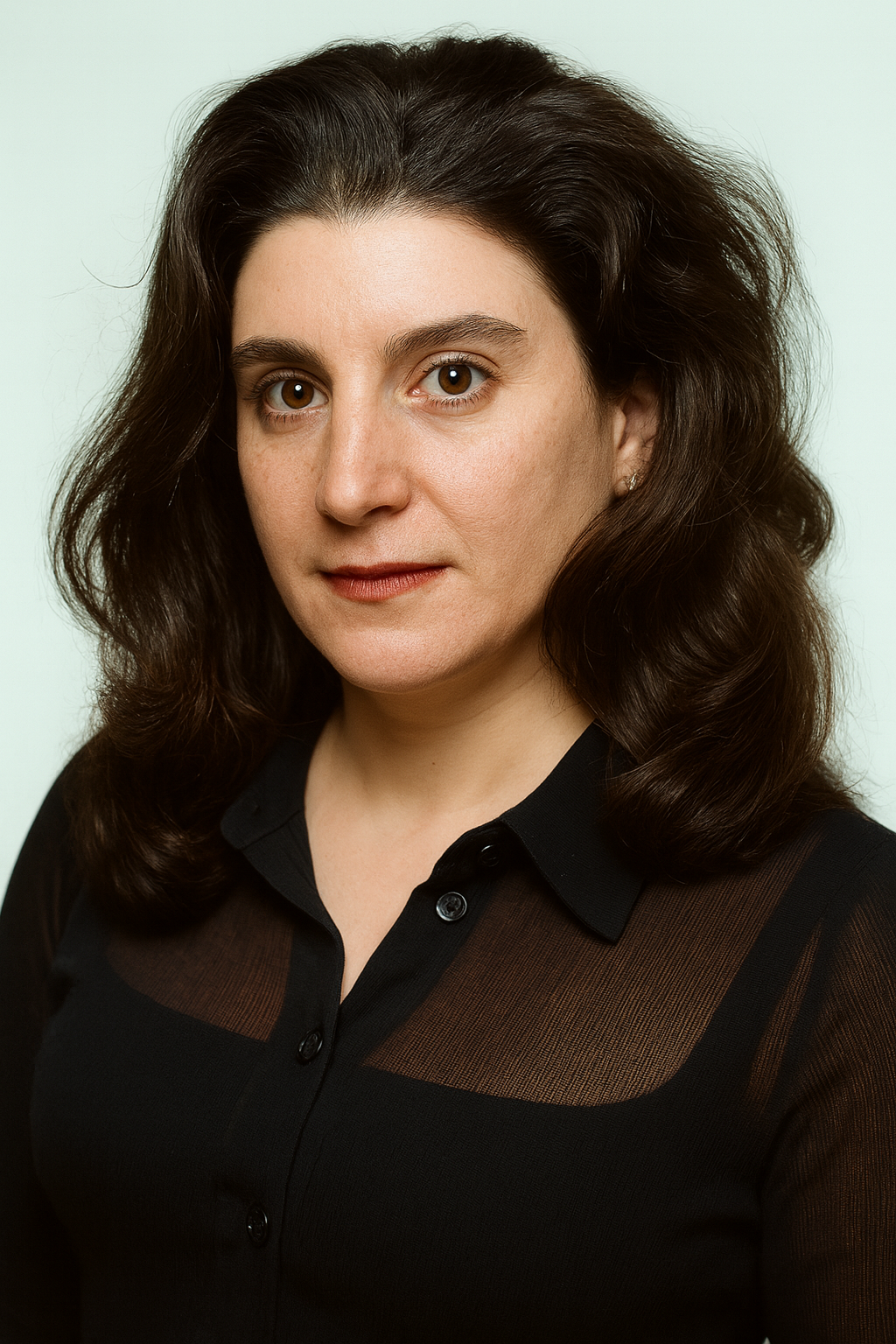
Laurie read English at the University of Oxford (The Queen’s College) with a Double First and over 500 hours of tutoring across a decade. A working foreign correspondent, she has a sharp instinct for how writing creates an effect. She is excellent at helping students turn strong ideas into well-structured, argument-led essays.

Louis - A Level English Tutor

Louis

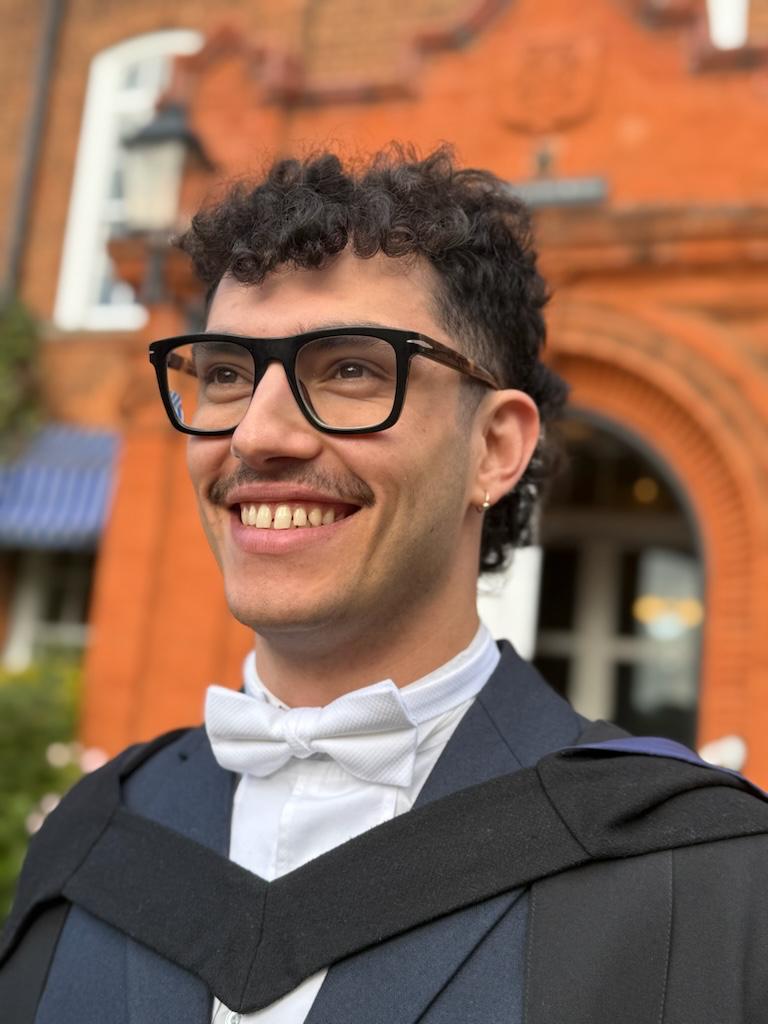
Louis graduated from the University of Oxford with a First in Philosophy and French and achieved top marks in the IB. He teaches English with a thoughtful, analytical style. He is especially good at helping students build a clear conceptual argument and engage closely with the language of a text.

Mimi - A Level English Tutor

Mimi

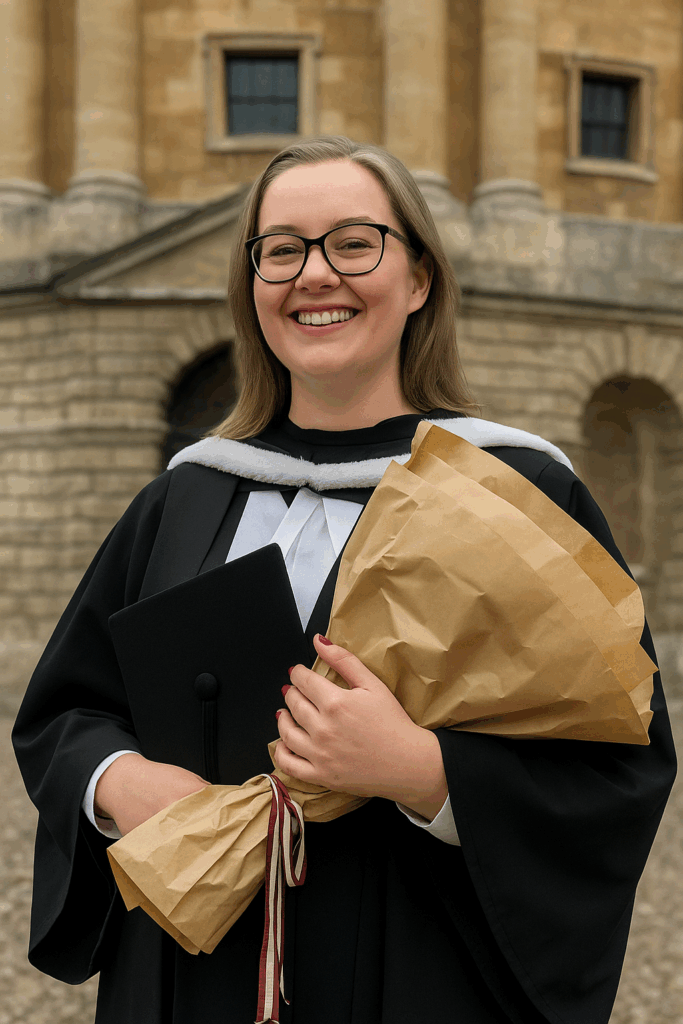
Mimi studied Modern Languages at the University of Oxford with a high 2:1 and is now reading for a Behavioural Science MSc at the LSE. She teaches A Level English Literature with care and clarity. She is particularly good at helping students structure an argument and analyse a writer’s choices with confidence.

Help your child turn ideas into marks

If your child has the ideas but the grade is not showing it, the right tutor can find the gap and close it. Reach out, and we will pair them with a specialist English tutor matched to their board and their needs.

Find an A Level English Tutor in Doha

BUILD THE ARGUMENT THAT WINS MARKS

Our Oxbridge-educated English tutors are based in the UK and teach online across Doha. They turn strong ideas into the sharp, evidenced essays examiners reward.

Worth reading next

If this was useful, these guides go further on the same themes. One is written for families in the region, another helps students on the IB, and the last looks ahead to university interviews.

Frequently asked questions

My child has strong ideas but writes vague essays. Can a tutor help?

Yes, and this is the most common case we see. When a student has the ideas but the grade lags, the issue is usually an unclear argument, shallow analysis, or a weak conclusion. A tutor reads their recent essays, names the habit, and teaches the fix.

Are your English tutors based in Doha?

No. Our tutors are based in the UK and teach online, which means your child learns from an Oxbridge-educated specialist while staying at home in Doha. Sessions are scheduled to fit local time zones, so they sit comfortably around the school day.

Which exam boards do your A Level English tutors cover?

Our tutors work with the main boards, including AQA, Edexcel, and OCR, and they teach to the set texts your child’s school follows. At the first session, the tutor confirms the board and the texts, so the essay practice matches exactly what your child will sit.

Can a tutor help with unseen poetry specifically?

Yes. Unseen poetry is often where students feel least secure, and it responds well to a clear method. A tutor teaches your child to form an interpretation quickly, then support it with close analysis under time pressure, which turns the unseen into one of the more manageable parts of the paper.

When should my child start working with an English tutor?

Earlier is better, because building an essay method across the year gives the most reliable results. That said, focused help in the final months still makes a real difference, since essay technique can improve quickly once a student knows what examiners reward. It is rarely too late to improve a grade.

Reaching a Grade 9 in GCSE English in Doha

Russell Greenhill
By Russell Greenhill
Founder & CEO @ Greenhill Academics
Oxford Master’s Graduate • 8+ Years Tutoring Experience

On this page

Why a capable reader can still miss a grade 9
The skills that turn reading into a grade
What a GCSE English tutor changes
Meet some of our GCSE English tutors
Next steps for your child
Worth reading next
Frequently asked questions

Why a capable reader can still miss a grade 9

Your child enjoys reading and understands the books they study, yet the English grade keeps coming back lower than you hoped. A good GCSE English tutor in Doha sees this all the time. The understanding is there. What is missing is the technical skill that turns a good reading into marks on the page. Across British curriculum schools in Doha, from Doha College to Park House English School, this is one of the most common situations we meet. It is also one of the easiest to put right.

The short version

A natural feel for reading is the hard part to teach, and your child may already have it. Turning that natural feel into clear, well-evidenced analysis is what takes a strong reader to a grade 9.

Is your child capable but stuck below a 9?

A tutor can show them how to turn instinct into the analysis examiners reward.

The skills that turn reading into a grade

To show what this work looks like, here is a composite drawn from real sessions, anonymised and combined. Picture a Year 11 student we will call Jihu. She is bright and widely read, and she is working towards the top grades at a British curriculum school. Her reading was excellent from the first lesson. She had a natural gift for getting to the heart of a text and describing the feeling it creates. The challenge, therefore, was teaching her the skill to prove in technical terms what she could already sense.

Reading a poem closely

One early session looked at her poetry analysis. We read a poem by William Carlos Williams, and Jihu sensed its quiet tension at once. However, she needed to show how the poet creates that effect. So we discussed several literary techniques and applied them directly to the lines. We named the devices, traced the poet’s choices, and explained the effect each one creates. As a result, her instinct for the poem turned into the kind of clear analysis a top grade rewards. The same growth showed in her reading of longer texts soon after.

Building an argument around style

Much of our work focused on literary style and on setting up strong arguments for analytical essays. The method we used was simple and repeatable. First, pin down the overall character of a piece of writing, the thing that makes its style distinctive. Once that is clear, it becomes far easier to look closely at the techniques behind it. A weaker essay lists features one by one. A stronger essay structures itself around an argument about style, and that is what pushes it into the higher bands.

Want your child’s essays to reach a grade 9?

Our tutors teach the technical skill that turns strong reading into a grade 9.

Selecting and unpicking the most relevant quotes

One of the most useful habits we built was quote selection. Specifically, Jihu learned to choose the most relevant quotes and unpick them in close detail, rather than quoting broadly and explaining little. As a result, a grade 9 response does more with less. It takes a short, well chosen phrase and draws out its effect through several layers of analysis. We practised this alongside shortening ideas and guiding the reader. We also worked on building paragraphs around the more demanding literary techniques. Throughout, Jihu wrote her work unaided by online tools, because the examiner wants to hear her voice, not a borrowed one.

What a GCSE English tutor changes

The most valuable thing a tutor brings to English is a reader who responds to your child’s actual writing. A mark scheme can tell a student that top answers show “perceptive, detailed analysis”. Yet those words rarely explain what to do differently on Monday morning. A tutor, by contrast, reads the essay your child wrote. From there, the tutor points to the exact sentence where a strong observation went unproven, and shows how to develop it. That feedback is specific enough to act on, which is what makes it work.

The second change is structure. Many capable students lose marks here, although their ideas are perfectly strong. The essay simply does not guide the reader through those ideas or build towards an argument. Therefore a tutor teaches the shape of a top-grade answer. That means a clear main point in the opening, the paragraphs that develop a single line of thought, and the close reading that earns the analytical marks. Over a few weeks these habits become second nature.

The third change is creative writing, which sits alongside analysis on the GCSE English Language paper. Here the work runs the other way. The tutor helps a student say what is happening clearly, while keeping the figurative language under control. A good piece moves the reader and stays in command of its effects. Because of that balance, a tutor can show your child exactly where a powerful idea needs a firmer hand.

Meet some of our GCSE English tutors

Laurie - GCSE English Tutor in Doha

Laurie

Laurie read English at the University of Oxford (The Queen’s College) with a Double First and won the J.A. Scott Prize for the highest finals mark in English or History at her college. She has over 500 hours of tutoring across a decade, teaching GCSE and IGCSE English Language and Literature. A working foreign correspondent, she is excellent at helping a strong reader turn instinct into clear, technical analysis.

George - GCSE English Tutor

George

George holds an MPhil in Linguistics from the University of Cambridge (High Distinction) and a First in English Literature from Manchester, with over 500 hours of tutoring across GCSE, A Level, and Oxbridge admissions. His background in linguistics gives him a sharp eye for how language works on the page, and he is known for helping students develop the close technical reading that the top GCSE grades reward.

Naomi - GCSE English Tutor

Naomi

Naomi read Politics, Philosophy and Economics at the University of Oxford (Exeter College) with three A* grades at A Level. She teaches GCSE English Language alongside the humanities, and she is skilled at helping students write with clarity and structure. Naomi is particularly good at showing a student how to organise ideas so an argument reads cleanly from start to finish.

Next steps for your child

If your child reads well, yet the grades are not matching that ability, the right tutor can build the bridge. Therefore, we will match them with a specialist GCSE English tutor. That tutor teaches the British curriculum and knows what a grade 9 requires. Sessions are online, which suits families across Doha and fits neatly around the school week.

Help Your Child Reach a Grade 9 in English

EXPERT GCSE ENGLISH TUTORING FOR DOHA FAMILIES

Our Oxbridge-educated tutors turn natural reading into clear analysis, with personalised feedback on your child’s own essays that a mark scheme alone cannot give.

Worth reading next

If this was useful, these guides go deeper into the skills behind a grade 9. One focuses on reaching a 9 in literature. Another sets out the core skills behind a 9 in language, and the last looks at the language paper in more detail.

Frequently asked questions

How do I find a good GCSE English tutor in Doha?

Look for a tutor who teaches the British curriculum, knows your child’s exam board, and gives feedback on the essays your child actually writes rather than working only from a textbook. At Greenhill Academics we match each student with a specialist and teach online, which works well for families across Doha.

My child reads well but still misses a grade 9. Why?

This is very common. A natural feel for a text is the part that is hard to teach, and many strong readers have it. The marks they miss usually come from not proving their observations in technical terms or not structuring an essay around a clear argument, both of which a tutor can teach quickly.

What separates a grade 9 English essay from a grade 7?

A grade 9 response builds a sustained argument, selects short and rich quotations, and unpicks them in close detail across several layers. It guides the reader clearly and engages with how the writer creates an effect, not simply what the text says. The difference is technical precision laid over genuine understanding.

Are online English lessons effective for GCSE?

Yes. English tutoring depends on reading and discussing a student’s writing closely, which works very well in a shared online document. For families in Doha it also removes travel time and makes regular sessions around the school week far easier to arrange.

How soon might my child improve?

Because much of the early progress comes from structure and technique rather than new content, many families notice clearer, better argued essays within the first few weeks. Reaching a secure grade 9 then comes from steady practice with a tutor who keeps raising the level of analysis.

Mastering the Step Up to A Level Maths in Doha

Russell Greenhill
By Russell Greenhill
Founder & CEO @ Greenhill Academics
Oxford Master’s Graduate • 8+ Years Tutoring Experience

On this page

Why the jump from GCSE feels so steep
How three changes improved one student’s grade
Three skills that move an A Level maths grade
Technique matters as much as knowledge
What the first lesson looks like
Meet some of our A Level maths tutors
Worth reading next
Frequently asked questions

Why the jump from GCSE feels so steep

Your child did well in GCSE maths, then hit a wall at A Level. The step up is real, and a strong GCSE grade does not always carry across. A good A Level maths tutor steadies that step up. In Doha, you may have seen this at Doha College, Park House English School, or Sherborne Qatar. The work is harder, the pace is quicker, and a concept met one week becomes the foundation for the next. This guide explains what good support looks like.

The short version

At A Level, marks usually turn on the harder calculus, on knowing which method a question wants, and on proof. A good tutor builds all three, then proves it on a past paper.

Find your child an A Level maths tutor

Oxbridge-educated tutors, based in the UK, teaching online across Doha

How three changes improved one student’s grade

Let me walk you through one student to make this concrete. Reza is a composite, blended from several Doha students we have taught. No individual family can be identified. His story shows where A Level maths marks actually go, and how the right help recovers them.

Getting on top of calculus

Reza had done well at GCSE, yet calculus unsettled him. He could differentiate a simple function. However, integration was harder, and he struggled to recognise when to rearrange an expression before integrating. That uncertainty knocked his confidence on a whole class of questions. Therefore his tutor rebuilt calculus from the ground up. They covered differentiation from first principles, so Reza understood where the rules came from. They then worked through integration step by step. As a result, the topic that had unsettled him became one he could approach with a clear plan.

Choosing the right method

The second change was knowing which technique a question called for. Reza had met the product rule, the chain rule, and the quotient rule. Yet under pressure he was not always sure which one to reach for. He met the same uncertainty with parametric equations and numerical methods. So his tutor worked on recognising the signals in a question that point to the right method. They practised across trigonometric and exponential functions until the choice felt natural. In practice, Reza stopped guessing and started matching the method to the question.

Does your child lose marks they should be getting?

A tutor can read their recent papers and show them where the marks are going and how to improve them.

Making sense of proof

The last change was proof, which was new to Reza. Proof by exhaustion and proof by contradiction draw on several topics at once. The way of thinking was unfamiliar. He understood each idea in isolation, but found it hard to see how a proof fitted together. Therefore his tutor treated proof as a method to learn rather than a knack. They worked through exhaustion and contradiction with clear examples. They also returned to it for a few minutes each lesson, so the logic became familiar. By exam time, Reza could set out a proof with confidence.

Three skills that move an A Level maths grade

Reza’s gains came from three skills, and those same three help most students. A good A Level maths tutor in Doha builds all three on purpose, rather than leaving them to chance.

Fluency with calculus

Calculus runs through the whole A Level. As a result, shaky differentiation or integration costs marks across many questions. Many students can handle the simple cases, yet stall when an expression needs rearranging first. A tutor builds calculus from first principles, then drills the harder cases. Your child can then approach any of them with a clear method.

Choosing the right method

The harder questions reward your child for spotting which technique applies. That might be the chain rule, the quotient rule, or a numerical method. However, students who know each rule alone can still freeze when a question does not say which to use. Therefore a tutor teaches your child to read the signals in a question and match the method to it.

Comfort with proof

Proof is new at A Level, and it draws several topics together. For that reason, it can feel daunting at first. Students often understand the parts, yet cannot see how a proof is built. A tutor teaches proof by exhaustion and contradiction as clear methods. They return to them regularly, so your child can set out a rigorous argument under exam conditions.

Technique matters as much as knowledge

Parents often assume that a higher maths grade means working through more content. In most cases, however, the marks turn on technique rather than coverage. Your child almost certainly understands more than the grade reflects. The missing piece is the fluency and judgement to apply that understanding under exam conditions.

This is what a tutor gives that a textbook cannot. A good A Level maths tutor reads your child’s own working. They trace the repeated habit that holds the mark down, and correct it directly. Whether it is shaky calculus, the wrong method, or an unfamiliar proof, the feedback is targeted and personal. That is what improves a grade.

What the first lesson looks like

The first session is about working out where your child stands. The tutor works out where your child really is, then agrees a plan together. There is no lecture, and no assumption your child is starting from scratch.

In practice it covers three things. First, the tutor checks your child’s current level by working through a handful of questions side by side. Next, they pin down the weak topics, usually by noticing which question types bring hesitation. Then they agree what to prioritise. Your child finishes the first lesson knowing exactly what the coming weeks will cover.

Meet some of our A Level maths tutors

Each tutor below studied maths to a high level and teaches it every week. All are based in the UK and teach online, which fits Doha well. Here are three to introduce.

Hugh - A Level Maths Tutor in Doha

Hugh

Hugh holds a First-Class MSci in Theoretical Physics from Imperial College London and is completing a doctorate at the University of Oxford. He teaches A Level Maths and Further Maths and prepares students for STEP, MAT, and PAT. He brings over a decade of tutoring experience, which makes him especially strong on calculus and rigorous proof.

Karol - A Level Maths Tutor

Karol

Karol holds a Natural Sciences degree from the University of Cambridge (Wolfson College) and is completing a PGCE in Science. He specialises in Maths and Further Maths, with more than 5,000 hours of tutoring over ten years. He is especially effective with students who need clear instruction and structured practice to build fluency with the harder calculus.

Martin - A Level Maths Tutor

Martin

Martin is reading for a PhD in Applied Maths and Theoretical Physics at the University of Cambridge, following a Distinction in his Master’s at Oxford and a First from Bath. He specialises in A Level Maths and Further Maths. Martin is clear and patient, and he is especially effective at securing the harder calculus and proof that the top grades depend on.

Help your child master the step up

If your child has the ability but the A Level grade is not showing it, the right tutor can find the gap and close it. Reach out, and we will pair them with a specialist maths tutor matched to their board and their needs.

Find an A Level Maths Tutor in Doha

MASTER THE STEP UP FROM GCSE

Our Oxbridge-educated maths tutors are based in the UK and teach online across Doha. They turn a shaky start at A Level into fluent, confident marks.

Worth reading next

If this was useful, these guides go further on the same themes. One sets out the path to top marks for families in the region. Another covers the move up from GCSE in detail, and the last looks at why the subject is worth taking.

Frequently asked questions

My child did well at GCSE but is struggling at A Level. Is that normal?

Yes, and it is very common. The step up from GCSE to A Level maths is real, and a strong GCSE grade does not always carry across. The usual sticking points are calculus, choosing the right method, and proof. A tutor works through each one and rebuilds confidence quickly.

Are your maths tutors based in Doha?

No. Our tutors are based in the UK and teach online, which means your child learns from an Oxbridge-educated specialist while staying at home in Doha. Sessions are scheduled to fit local time zones, so they sit comfortably around the school day.

Which exam boards do your A Level maths tutors cover?

Our tutors work with AQA, Edexcel, and OCR, and they teach to the exact specification your child’s school follows. At the first session, the tutor confirms the board and tailors the work to it, so practice questions and mark scheme expectations match what your child will sit.

Can a tutor help with Further Maths as well?

Yes. Several of our maths tutors teach Further Maths alongside the main A Level, including topics like series, numerical methods, and rates of change. If your child takes both, the tutor can support them together, making sure the extra content reinforces rather than competes with the core course.

When should my child start working with a maths tutor?

Earlier is better, ideally when the step up from GCSE first bites, because securing calculus and method choice early gives the most reliable results. That said, focused help later still makes a real difference, since technique can improve quickly once a student knows what to work on. It is rarely too late to improve a grade.

Three Habits That Improve Your GCSE Maths Grade in Doha

Russell Greenhill
By Russell Greenhill
Founder & CEO @ Greenhill Academics
Oxford Master’s Graduate • 8+ Years Tutoring Experience

On this page

Where the marks actually go
The topics that catch students out
What a good GCSE maths tutor changes
Meet some of our GCSE maths tutors
Next steps for your child
Worth reading next
Frequently asked questions

Where the marks actually go

A good GCSE maths tutor in Doha rarely starts with new content. Most students who come to us already know more than their grades suggest. Instead, they lose marks in small, repeated places. Sometimes it is a sign error halfway through a rearrangement. Other times it is a quadratic that needed factorising a different way, or a method that works but takes twice as long as the examiner expected. Across British curriculum schools in Doha, from Doha College to Park House English School, this pattern is consistent. The knowledge is there. The accuracy and the method choice are what cost the grade.

The short version

If your child knows the content but keeps dropping marks, the problem is usually accuracy and method choice, not knowledge. That is what targeted tutoring fixes fastest.

Is your child losing marks they should be keeping?

A tutor can read their working and show them exactly where the easy marks are going.

The topics that catch students out

Certain topics come up again and again in our lessons with Doha students. They are nearly always the same ones. What follows is drawn from real sessions, anonymised and combined, so you can see where the work actually happens. Take a composite student, we will call him Idris. He is a Year 11 pupil at a British curriculum school working towards the top grades. His story is typical of how a strong GCSE maths tutor closes the gaps that matter.

Quadratics when the coefficient is not one

Idris was confident factorising quadratics where a equals one. The moment the leading coefficient changed, the confidence dropped. This is one of the most common splits we see. A student handles every type where a equals one, yet needs a clear approach for when a does not. The cases where b or c is zero need attention too. Because of that, we worked through every type of factorisation that might appear at GCSE, until the method stopped depending on luck. We also covered completing the square. Idris had been avoiding it because the steps felt arbitrary, until he saw why each one was there.

Surds, the difference of two squares, and harder algebra

One session that made a real difference applied the difference of two squares to surds. In fact, many students never quite make that connection on their own. Idris had treated surds and quadratics as separate topics. Once he saw that the same algebraic structure ran through both, harder questions stopped looking unfamiliar. Specifically, we moved through simultaneous quadratic equations and a few of the tougher exam questions. As a result, the pattern recognition that top grades reward started to appear.

Trigonometry beyond the basics

Three dimensional trigonometry, the sine and cosine rules, and exact trigonometric values are a reliable source of dropped marks. Idris could apply each rule in isolation. The difficulty came in choosing which rule a question needed, and in handling the exact values without a calculator. Therefore we practised until the choice became automatic. We then looked at the next step up, the harder applications that distinguish a grade 8 from a grade 9.

Histograms, frequency density, and probability

Some topics are not hard conceptually but still need careful attention, because the GCSE exam tests them in particular ways. For example, histograms with frequency density, cumulative frequency diagrams, conditional probability, and set notation all fall into this group. Idris learned these fully and had no real trouble once the format was familiar. The marks here are available to any student who has practised the specific question style. That is precisely why leaving them to chance is so costly.

Want these topics covered properly?

Our tutors work through the exact areas where your child loses marks, one session at a time.

What a good GCSE maths tutor changes

The single most common note in our lesson records is about care. A student knows all the rules, and the main thing to focus on is accuracy, minus signs especially. That sounds minor until you count the marks. A sign error in the second line of a long algebra question can cost every mark that follows it. The method can be completely correct and the marks still vanish. Therefore a tutor who watches your child work, rather than only marking the final answer, catches these habits and corrects them before the exam does.

The second change is method choice. In practice, there is often more than one valid way to answer a GCSE question, and the difference between them is time. A tutor shows your child the most efficient route, which matters enormously in a paper where the clock is tight. The third change is confidence under pressure. As a result of working through harder questions until they feel routine, the exam stops feeling threatening.

This is the part past papers alone cannot deliver. A past paper tells your child whether an answer was right or wrong. However, it does not explain why a particular method was slow. It does not show where a habit is costing marks, or what the jump to the next grade actually requires. A GCSE maths tutor reads the working and gives feedback precise enough to act on.

Meet some of our GCSE maths tutors

Murray - GCSE Maths Tutor in Doha

Murray

Murray is in the fourth year of a Materials Science degree at the University of Oxford (Trinity College), on track for a First, with A grades at A Level in Maths, Chemistry, and Physics. He has over 150 hours of tutoring experience across GCSE and A Level Maths. Murray is methodical with the things that cost marks, sign errors, slow methods, and shaky algebra, and he is patient enough to rebuild a topic from the foundation up.

Jessica - GCSE Maths Tutor

Jessica

Jessica is a fourth year Medicine student at the University of Cambridge, with four top grades at A Level in Maths, Further Maths, Chemistry, and Biology, and twelve A* grades at GCSE. She is one of the most experienced tutors at Greenhill Academics by hours taught. Jessica is calm and precise, and she is particularly good at showing students the quickest reliable method for a question rather than the first one that comes to mind.

Gonzalo - GCSE Maths Tutor

Gonzalo

Gonzalo holds a First Class MChem in Chemistry from the University of Oxford (Jesus College) and begins a PhD at Cambridge shortly. He achieved A grades at A Level in Maths, Further Maths, Chemistry, and Biology, alongside nine grade 9s at GCSE. Gonzalo teaches GCSE Maths with a clear, structured style, and he is good at helping students see the connections between topics that make harder questions feel familiar.

Next steps for your child

If your child knows the content but the grades are not showing it, the right tutor can find the gap and close it. Specifically, we will match them with a specialist GCSE maths tutor who teaches the British curriculum. They understand exactly what the top grades require. Sessions are online, which suits families across Doha and fits around school timetables.

Help Your Child Keep the Marks They Earn

EXPERT GCSE MATHS TUTORING FOR DOHA FAMILIES

Our Oxbridge-educated tutors find the small, repeated errors that cost marks and fix them with targeted, personalised feedback that past papers alone cannot give.

Worth reading next

If you found this useful, these guides go further into the specific skills your child needs. One walks through factorisation step by step. Another focuses on solving quadratic equations, and the last covers our wider maths tutoring for families across the region.

Frequently asked questions

How do I find a good GCSE maths tutor in Doha?

Look for a tutor who teaches the British curriculum, knows the exam boards your child’s school uses, and gives feedback on working rather than only marking answers. At Greenhill Academics we match each student with a specialist and teach online, which works well for families across Doha.

My child knows the content but still loses marks. Why?

This is the most common pattern we see. The marks usually go to small accuracy slips, sign errors in particular, and to slower methods that eat time in a tight paper. A tutor who watches your child work can spot these habits and correct them well before the exam.

Which GCSE maths topics cause the most trouble?

Quadratic factorisation when the leading coefficient is not one, completing the square, three dimensional trigonometry, and histograms with frequency density come up repeatedly. None are beyond a capable student, but each rewards focused practice on the specific question style the exam uses.

Are online maths lessons effective for GCSE?

Yes. A shared online whiteboard lets a tutor see every line of a student’s working in real time, which is exactly what maths tutoring needs. For families in Doha it also removes travel and makes scheduling around school far easier.

How quickly will I see an improvement?

It varies by student, but because the early gains often come from fixing accuracy and method choice rather than learning new content, many families notice a difference within the first few weeks. Closing the gap to a top grade then comes from steady, targeted work.

Why IB Physics Marks Slip, and How to Win Them in Bahrain

Russell Greenhill
By Russell Greenhill
Founder & CEO @ Greenhill Academics
Oxford Master’s Graduate • 8+ Years Tutoring Experience

Your child works hard at IB Physics, then loses marks they did not expect to lose. The content is dense, and a single misunderstanding can quietly undermine a whole topic. A good IB Physics tutor finds those misunderstandings and clears them. In Bahrain, you may have seen this at St Christopher’s School, the British School of Bahrain, or Ibn Khuldoon National School. It is hard to watch effort go unrewarded. This guide explains where the marks slip and how to win them back.

On this page

Why the marks slip in IB Physics
One student, three shifts that changed his marks
Three skills that move an IB Physics grade
Understanding matters as much as recall
What the first lesson looks like
Meet some of our IB Physics tutors
Worth reading next
Frequently asked questions

The short version

In IB Physics, marks usually slip on hidden misconceptions, on the precise meaning of close terms, and on topics a school covered quickly. A good tutor finds each one and clears it.

Find your child an IB Physics tutor

Oxbridge-educated tutors, based in the UK, teaching online across Bahrain

Why the marks slip in IB Physics

IB Physics rewards more than effort. Your child can revise hard and still drop marks. The course is broad and conceptual, so a small misunderstanding in one topic can spread quietly into others. The exam also rewards precise language, where two similar terms mean different things. That is a different skill from learning the content. Moreover, schools move quickly through a packed syllabus, so a topic taught in a hurry can leave a gap that only shows up under exam pressure.

This is where a good IB Physics tutor earns their place. They teach to the exact demands of the course, then set focused practice between sessions. They also send back short written feedback after every lesson. The point is transfer. Your child takes a clearer understanding into the next school assessment and sees it lift the mark.

One student, three shifts that changed his marks

Let me walk you through one student to make this concrete. Omar is a composite, blended from several Higher Level students we have taught. No individual family can be identified. His story shows where IB Physics marks actually go, and how the right help recovers them.

Clearing a hidden misconception

Omar was working through waves and thought he understood them well. However, he had quietly absorbed a misconception. He believed that simple harmonic motion applies to all transverse waves, including electromagnetic waves. It does not, and that single false assumption was undermining his answers. So his tutor traced the error back to its root. They clarified exactly when simple harmonic motion applies and when it does not. As a result, a topic Omar thought he had mastered became genuinely secure, and the marks he had been losing returned.

Pinning down precise terms

The second shift was precision with language. Omar was studying magnetic induction, where several technical terms look and sound very similar. He often blurred them together, which cost marks on questions that hinged on the exact word. Therefore his tutor slowed the topic down and separated the terms one by one. They checked that Omar could state precisely what each one meant. In practice, his answers became sharper, and the examiner could see he understood the distinction.

Does your child lose marks they should be getting?

A tutor can read their recent papers and show them where the marks are going and how to win them back.

Filling a syllabus gap

The last shift was a topic Omar’s school had covered quickly. He had to handle charges moving through a magnetic field, which calls for the vector cross-product and the right-hand rule. He had met the idea once and never secured it. So his tutor built the topic from the ground up. They worked through the right-hand rule until Omar could apply it without hesitation, then extended into electric fields. By exam time, a topic that had once been a blank spot was one he could rely on.

Three skills that move an IB Physics grade

Omar’s gains came from three skills, and those same three lift most students. A good IB Physics tutor in Bahrain builds all three on purpose, rather than leaving them to chance.

Rooting out misconceptions

A single false assumption can undermine a whole topic, and the student rarely notices it alone. Many learners revise hard around a misconception without ever fixing the root. Therefore a tutor listens for the faulty idea behind a wrong answer, then corrects it directly. Once the misconception is gone, the marks that depended on it come back.

Precision with language

IB Physics rewards exact terms, and close words can carry different meanings. Students who blur similar terms lose marks on questions that turn on the distinction. As a result, a tutor drills the precise meaning of each term until your child can state it cleanly. Sharper language then turns understanding into the marks the scheme rewards.

Securing every topic

A packed syllabus means some topics get taught quickly, and a rushed topic can leave a quiet gap. That gap may only surface under exam pressure, when there is no time to recover. Therefore a tutor finds the weak topics, rebuilds each one, and revisits it later. No part of the course is then left to chance.

Understanding matters as much as recall

Parents often assume that a higher Physics grade means memorising more content. In most cases, however, the marks turn on understanding rather than recall. Your child almost certainly knows more than the grade reflects. The missing piece is a secure grasp of the concepts, applied accurately under exam conditions.

This is what a tutor gives that a textbook cannot. A good IB Physics tutor reads your child’s own answers. They trace the misconception or gap that holds the mark down, and correct it directly. Whether it is a false assumption, a blurred term, or a rushed topic, the feedback is targeted and personal. That is what lifts a grade.

What the first lesson looks like

The first session is about working out where your child stands. The tutor diagnoses the real position, then agrees a plan together. There is no lecture, and no assumption your child is starting from scratch.

In practice it covers three things. First, the tutor checks your child’s current understanding by working through some past-paper questions side by side. Next, they pin down the weak areas, often by spotting a misconception behind a wrong answer. Then they agree what to prioritise, so your child finishes the first lesson knowing exactly what the coming weeks will cover.

Meet some of our IB Physics tutors

Each tutor below studied Physics to a high level and teaches it every week. All are based in the UK and teach online, which fits Bahrain well. Here are three to introduce.

Hugh - IB Physics Tutor

Hugh

Hugh holds a First-Class MSci in Theoretical Physics from Imperial College London and is completing a doctorate at the University of Oxford. He teaches IB Physics and IB Maths, with over a decade of tutoring experience. Hugh is especially good at finding the misconception behind a wrong answer and rebuilding a topic so it stays secure under exam pressure.

Murray - IB Physics Tutor

Murray

Murray is in the fourth year of a Materials Science degree at the University of Oxford (Trinity College), on track for a First, with an A grade at A Level in Physics alongside Maths and Chemistry. He teaches Physics with a clear, methodical style. He is patient in working through each concept until it feels secure, which suits students who need a topic rebuilt from the foundation.

Liza - IB Physics Tutor

Liza

Liza holds a BA in Mathematics and Philosophy from Yale University and a Master’s from the LSE, where she was a Chevening Scholar. She specialises in Maths and Physics, with nearly a decade of tutoring across the UK and US. Liza has particular experience supporting students with learning differences, and she is skilled at making demanding concepts feel clear and approachable.

Help your child win those marks back

If your child works hard but the IB Physics grade is not showing it, the right tutor can find the gap and close it. Reach out, and we will pair them with a specialist Physics tutor matched to the course and their needs. For the wider picture, our guide to IB tutoring in Bahrain covers support across the programme.

Find an IB Physics Tutor in Bahrain

CLEAR THE MISCONCEPTIONS THAT COST MARKS

Our Oxbridge-educated Physics tutors are based in the UK and teach online across Bahrain. They find the hidden gaps and turn hard-won effort into reliable marks.

Worth reading next

If this was useful, these guides go further on the same themes. One sets out what a 7 requires, another looks at where Physics marks go for families in the region, and the last covers the A Level route.

Frequently asked questions

My child revises hard but still loses marks in Physics. Can a tutor help?

Yes, and this is the most common case we see. When a student works hard but the grade lags, the issue is usually a hidden misconception, blurred terminology, or a topic the school covered quickly. A tutor reads their recent answers, finds the root cause, and clears it.

Are your Physics tutors based in Bahrain?

No. Our tutors are based in the UK and teach online, which means your child learns from an Oxbridge-educated specialist while staying at home in Bahrain. Sessions are scheduled to fit local time zones, so they sit comfortably around the school day.

Do your tutors cover both Higher and Standard Level IB Physics?

Yes. Our tutors teach IB Physics at both Higher and Standard Level, and they tailor the work to the level your child is taking. At the first session, the tutor confirms the level and the options your child studies, so the practice matches exactly what they will sit.

How are online Physics lessons run?

Lessons run over video call with a shared whiteboard, so your child can work through diagrams and problems live with the tutor. After each session the tutor sets targeted practice and returns short written feedback, which means your child always knows what to work on next.

My child has mocks soon. Is it too late for tutoring to help?

It is rarely too late. Even a few focused sessions before mocks can clear a stubborn misconception and secure a weak topic, which is often where quick gains are found. A tutor will give an honest view at the first lesson of what is realistic in the time available.

Helping a Strong Reader Reach a GCSE English 9 in Bahrain

Russell Greenhill
By Russell Greenhill
Founder & CEO @ Greenhill Academics
Oxford Master’s Graduate • 8+ Years Tutoring Experience

On this page

Why a strong reader can still miss the top grade
The gap between feeling a text and proving it
What a GCSE English tutor changes
Meet some of our GCSE English tutors
Next steps for your child
Worth reading next
Frequently asked questions

Why a strong reader can still miss the top grade

A good GCSE English tutor in Bahrain often meets a particular kind of student. She reads well and instinctively, and she gets to the heart of a passage in a sentence. Yet she keeps landing a grade or two below where that talent should take her. The flair is real. What is missing is the technical layer that turns a sharp observation into a mark on the page. Across British curriculum schools in Bahrain, from the British School of Bahrain to St Christopher’s School, this is one of the most common situations we see. It is also one of the most fixable.

The short version

A natural feel for reading is the hard part to teach, and your child may already have it. Turning that instinct into close technical analysis is what lifts a strong reader to a grade 9.

Is your child a strong reader stuck below a 9?

A tutor can show them how to turn instinct into the analysis examiners reward.

The gap between feeling a text and proving it

To show what this work looks like, here is a composite drawn from real sessions, anonymised and combined. Picture a Year 11 student we will call Jihu. She is bright and widely read, and she is working towards the top grades at a British curriculum school. Her reading was excellent from the first lesson. She had a natural gift for getting to the heart of a text and describing the feeling it creates. The challenge, therefore, was teaching her to prove in technical terms what she could already sense.

Reading prose like an examiner

One early session looked at her prose analysis. We worked through an unseen passage from Robert Louis Stevenson’s “The Strange Case of Dr Jekyll and Mr Hyde”. Jihu sensed the menace in it at once. However, she needed to show how Stevenson builds that menace. So we discussed several new literary techniques and applied them to the passage. We named the devices, traced the writer’s choices, and explained the effect each one creates. As a result, her instinct for the passage turned into the kind of precise analysis a top grade rewards.

Building an argument around style

Much of our work focused on literary style and on setting up strong arguments for analytical essays. The method we used was simple and repeatable. First, pin down the overall character of a piece of writing, the thing that makes its style distinctive. Once that is clear, it becomes far easier to look closely at the techniques behind it. A weaker essay lists features one by one. A stronger essay structures itself around an argument about style, and that is what pushes it into the higher bands. Her reading of a William Carlos Williams poem showed the same growth, sharp on feeling and now precise on technique.

Want your child’s essays to reach the top band?

Our tutors teach the technical analysis that turns strong reading into a grade 9.

Selecting and unpicking the richest quotes

One of the most useful habits we built was quote selection. Specifically, Jihu learned to choose the richest quotes and unpick them in forensic detail, rather than quoting broadly and explaining little. As a result, a grade 9 response does more with less. It takes a short, well chosen phrase and draws out its effect through several layers of analysis. We practised this alongside condensing and signposting ideas for the reader. We also worked on building paragraphs around the more demanding literary techniques. Throughout, Jihu wrote her work unaided by online tools, because the examiner wants to hear her voice, not a borrowed one.

What a GCSE English tutor changes

The most valuable thing a tutor brings to English is a reader who responds to your child’s actual writing. A mark scheme can tell a student that top answers show “perceptive, detailed analysis”. Yet those words rarely explain what to do differently on Monday morning. A tutor, by contrast, reads the essay your child wrote. From there, the tutor points to the exact sentence where a strong observation went unproven, and shows how to develop it. That feedback is specific enough to act on, which is what makes it work.

The second change is structure. Many capable students lose marks here, although their ideas are perfectly strong. The essay simply does not signpost those ideas clearly or build towards an argument. Therefore a tutor teaches the shape of a high band response. That means the thesis in the opening, the paragraphs that develop a single line of thought, and the close reading that earns the analytical marks. Over a few weeks these habits become second nature.

The third change is creative writing, which sits alongside analysis on the GCSE English Language paper. Here the work runs the other way. The tutor helps a student say what is happening clearly, while keeping the figurative language under control. A good piece moves the reader and stays in command of its effects. Because of that balance, a tutor can show your child exactly where a powerful idea needs a firmer hand.

Meet some of our GCSE English tutors

Laurie - GCSE English Tutor

Laurie

Laurie read English at the University of Oxford (The Queen’s College) with a Double First and won the J.A. Scott Prize for the highest finals mark in English or History at her college. She has over 500 hours of tutoring across a decade, teaching GCSE and IGCSE English Language and Literature. A working foreign correspondent, she is excellent at helping a strong reader turn instinct into precise, technical analysis.

Louis - GCSE English Tutor

Louis

Louis holds a First Class degree in Philosophy and French from the University of Oxford (Keble College) and achieved top marks in the International Baccalaureate. He teaches GCSE and IGCSE English Language and Literature. Louis brings a philosopher’s care for clear argument to English, and he is particularly good at helping students structure an essay so that each paragraph develops a single, well supported idea.

George - GCSE English Tutor

George

George holds an MPhil in Linguistics from the University of Cambridge (High Distinction) and a First in English Literature from Manchester, with over 500 hours of tutoring across GCSE, A Level, and Oxbridge admissions. His background in linguistics gives him a precise eye for how language works on the page, and he is known for helping students develop the close technical reading that the top GCSE grades reward.

Next steps for your child

If your child reads well, yet the grades are not matching that ability, the right tutor can build the bridge. Therefore, we will match them with a specialist GCSE English tutor. That tutor teaches the British curriculum and knows what the top band requires. Sessions are online, which suits families across Bahrain and fits neatly around the school week.

Help Your Strong Reader Reach a Grade 9

EXPERT GCSE ENGLISH TUTORING FOR BAHRAIN FAMILIES

Our Oxbridge-educated tutors turn instinctive reading into close technical analysis, with personalised feedback on your child’s own essays that a mark scheme alone cannot give.

Worth reading next

If this was useful, these guides go deeper into the skills behind a top grade. One focuses on reaching a 9 in literature. Another sets out the core skills behind a 9 in language, and the last looks at the language paper in more detail.

Frequently asked questions

How do I find a good GCSE English tutor in Bahrain?

Look for a tutor who teaches the British curriculum, knows your child’s exam board, and gives feedback on the essays your child actually writes rather than working only from a textbook. At Greenhill Academics we match each student with a specialist and teach online, which works well for families across Bahrain.

My child reads well but still misses the top grade. Why?

This is very common. A natural feel for a text is the part that is hard to teach, and many strong readers have it. The marks they miss usually come from not proving their observations in technical terms or not structuring an essay around a clear argument, both of which a tutor can teach quickly.

What separates a grade 9 English essay from a grade 7?

A grade 9 response builds a sustained argument, selects short and rich quotations, and unpicks them in forensic detail across several layers. It signposts ideas clearly and engages with how the writer creates an effect, not simply what the text says. The difference is technical precision laid over genuine understanding.

Are online English lessons effective for GCSE?

Yes. English tutoring depends on reading and discussing a student’s writing closely, which works very well in a shared online document. For families in Bahrain it also removes travel time and makes regular sessions around the school week far easier to arrange.

How soon might my child improve?

Because much of the early progress comes from structure and technique rather than new content, many families notice clearer, better argued essays within the first few weeks. Reaching a secure grade 9 then comes from steady practice with a tutor who keeps raising the level of analysis.

From Strong Ideas to Top A Level English Marks in Bahrain

Russell Greenhill
By Russell Greenhill
Founder & CEO @ Greenhill Academics
Oxford Master’s Graduate • 8+ Years Tutoring Experience

Your child has good ideas about a text but cannot shape them into a clear argument on the page. The essays come back with feedback about structure, not understanding. A good A Level English tutor sharpens that argument. In Bahrain, you may have seen this at St Christopher’s School, The British International School Bahrain, or the British School of Bahrain. It is frustrating to watch real insight score below its worth. This guide explains what to look for.

On this page

Why ideas alone do not lift the grade
One student, three shifts that changed his essays
Three skills that move an A Level English grade
Technique matters as much as ideas
What the first lesson looks like
Unseen poetry and comparison
Meet some of our English tutors
Worth reading next
Frequently asked questions

The short version

In A Level English, marks are usually lost on argument, depth of analysis, and weak conclusions, not on ideas. A good tutor fixes all three, then proves it in the next essay.

Find your child an A Level English tutor

Oxbridge-educated tutors, based in the UK, teaching online across Bahrain

Why ideas alone do not lift the grade

A Level English rewards more than having ideas. Your child can understand a text deeply and still drop marks. The exam wants a clear argument, evidence analysed in depth, and a conclusion that reaches a real judgement. That is a different skill from reading well. Moreover, it is one most students are never taught directly. The leap from understanding a poem to writing a top-band essay about it is one some students make slowly on their own.

This is where a good A Level English tutor earns their place. They read your child’s essays closely, then set targeted writing between sessions. They also send back short written feedback after every lesson. The point is transfer. Your child takes a sharper method into the next school essay and sees it lift the mark.

One student, three shifts that changed his essays

Let me walk you through one student to make this concrete. Yousef is a composite, blended from several Bahrain students we have taught. No individual family can be identified. His story shows where A Level English marks actually go, and how the right help recovers them.

From vague ideas to a clear argument

Yousef understood his texts and had plenty to say about them. For example, he handed in a paragraph with some genuinely good ideas. Yet they felt vague and diffuse on the page. The thoughts were there, but they did not build into a clear argument with evidence analysed in depth. However, his tutor spotted this quickly. Together they worked through the paragraph line by line. They found exactly what Yousef was trying to say, then rebuilt it so the point led and the evidence followed. As a result, the clarity and control of his argument improved markedly.

Close reading that earns marks

The second shift was the depth of his analysis. Yousef could identify a technique, but often stopped before explaining its effect, which capped the marks. Studying Sylvia Plath’s poetry, he had learned several literary devices. He had not yet applied them with real precision. Therefore his tutor taught him to slow down on each quotation and draw out how the language shapes meaning. They worked closely through a poem such as “Poppies in October”. They focused on confessional style and the conflict the poem stages, so his reading went deep. In practice, Yousef began turning observations into analysis that the mark scheme rewards.

Does your child lose marks they should be getting?

A tutor can read their recent essays and show them where the marks are going and how to win them back.

Comparison under exam conditions

The last shift was comparison, where Yousef felt least secure. Faced with an unseen poem or an anthology comparison, he tended to write about each poem in turn. He did not hold them together in a single argument. The structure worked against him. So his tutor built a clear method for approaching comparison. They practised on unseen poems and on the anthology, so the technique held under time pressure. They worked on opening with a thesis and weaving both texts through it. By exam time, Yousef could compare with confidence, and his essays read as developed arguments from first line to last.

Three skills that move an A Level English grade

Yousef’s gains came from three skills, and those same three lift most students. A good A Level English tutor in Bahrain builds all three on purpose, rather than leaving them to chance.

A clear line of argument

Top-band essays carry a single, developed argument rather than a scatter of points. Many students lose marks because their writing, though full of good ideas, reads as diffuse. Therefore a tutor teaches your child to decide what they want to say. Every paragraph then serves that case, and the essay becomes an argument the examiner can follow.

Evidence analysed in depth

Quoting a text is not the same as analysing it, and the marks live in the analysis. Strong answers choose evidence carefully, then unpack how the language, form, and structure create meaning. As a result, a tutor trains your child to slow down on each quotation and draw out its effect. They use the assessment objectives examiners reward.

Conclusions that synthesise

A weak conclusion repeats the essay, while a strong one draws it together into a judgement. Students often run out of energy at the end and simply summarise. Therefore a tutor teaches your child to write a findings-oriented conclusion. It returns to the argument and resolves it, so the essay leaves a clear final impression.

Technique matters as much as ideas

Parents often assume that a higher English grade means reading more or having cleverer ideas. In most cases, however, the marks are hiding somewhere else. Your child almost certainly understands more than the grade reflects. The missing piece is the technique to turn that understanding into a clear, evidenced argument under exam conditions.

This is what a tutor gives that a textbook cannot. A tutor reads your child’s own essays. They trace the repeated habit that holds the mark down, and correct it directly. Whether it is a diffuse argument, shallow analysis, or a weak conclusion, the feedback is targeted and personal. That is what lifts a grade.

What the first lesson looks like

The first session is about working out where your child stands. The tutor diagnoses the real position, then agrees a plan together. There is no lecture, and no assumption your child is starting from scratch.

In practice it covers three things. First, the tutor reads a recent essay or a piece of writing on a set text. They notice where the argument is strong and where it drifts. Next, they pin down the main issue, whether structure, depth of analysis, or the way essays open and close. Then they agree what to prioritise, so your child finishes the first lesson knowing exactly what the coming weeks will cover.

Unseen poetry and comparison

Unseen poetry and comparative questions are where many students feel least secure, because there is no time to prepare a set response. The skill is to form a clear interpretation quickly, then support it with close analysis under pressure. A tutor teaches your child a repeatable way to approach an unfamiliar poem, identifying core themes early and building a comparison that holds together.

For a fuller view of what top marks require, our guide on how to get an A in A Level English goes deeper on technique. If your child is weighing the subject up, why you should take A Level English sets out what the course offers.

Meet some of our English tutors

Each tutor below studied English to a high level and teaches it every week. All are based in the UK and teach online, which fits Bahrain well. Here are three to introduce.

Laurie - A Level English Tutor

Laurie

Laurie read English at the University of Oxford (The Queen’s College) with a Double First and over 500 hours of tutoring across a decade. A working foreign correspondent, she has a sharp instinct for how writing creates an effect. She is excellent at helping students turn strong ideas into well-structured, argument-led essays.

Louis - A Level English Tutor

Louis

Louis graduated from the University of Oxford with a First in Philosophy and French and achieved top marks in the IB. He teaches English with a thoughtful, analytical style. He is especially good at helping students build a clear conceptual argument and engage closely with the language of a text.

Mimi - A Level English Tutor

Mimi

Mimi studied Modern Languages at the University of Oxford with a high 2:1 and is now reading for a Behavioural Science MSc at the LSE. She teaches A Level English Literature with care and precision. She is particularly good at helping students structure an argument and analyse a writer’s choices with confidence.

Help your child turn ideas into marks

If your child has the ideas but the grade is not showing it, the right tutor can find the gap and close it. Reach out, and we will pair them with a specialist English tutor matched to their board and their needs.

Find an A Level English Tutor in Bahrain

BUILD THE ARGUMENT THAT WINS MARKS

Our Oxbridge-educated English tutors are based in the UK and teach online across Bahrain. They turn strong ideas into the sharp, evidenced essays examiners reward.

Worth reading next

If this was useful, these guides go further on the same themes. One is written for families in the region, another helps students on the IB, and the last looks ahead to university interviews.

Frequently asked questions

My child has strong ideas but writes vague essays. Can a tutor help?

Yes, and this is the most common case we see. When a student has the ideas but the grade lags, the issue is usually a diffuse argument, shallow analysis, or a weak conclusion. A tutor reads their recent essays, names the habit, and teaches the fix.

Are your English tutors based in Bahrain?

No. Our tutors are based in the UK and teach online, which means your child learns from an Oxbridge-educated specialist while staying at home in Bahrain. Sessions are scheduled to fit local time zones, so they sit comfortably around the school day.

Which exam boards do your A Level English tutors cover?

Our tutors work with the main boards, including AQA, Edexcel, and OCR, and they teach to the set texts your child’s school follows. At the first session, the tutor confirms the board and the texts, so the essay practice matches exactly what your child will sit.

Can a tutor help with unseen poetry specifically?

Yes. Unseen poetry is often where students feel least secure, and it responds well to a clear method. A tutor teaches your child to form an interpretation quickly, then support it with close analysis under time pressure, which turns the unseen into one of the more manageable parts of the paper.

When should my child start working with an English tutor?

Earlier is better, because building an essay method across the year gives the most reliable results. That said, focused help in the final months still makes a real difference, since essay technique can improve quickly once a student knows what examiners reward. It is rarely too late to lift a grade.

The A Level Maths Step Up, Handled in Bahrain

Russell Greenhill
By Russell Greenhill
Founder & CEO @ Greenhill Academics
Oxford Master’s Graduate • 8+ Years Tutoring Experience

On this page

Why the jump from GCSE feels so steep
One student, three shifts that changed his marks
Three skills that move an A Level maths grade
Technique matters as much as knowledge
What the first lesson looks like
Meet some of our A Level maths tutors
Worth reading next
Frequently asked questions

Why the jump from GCSE feels so steep

Your child did well in GCSE maths, then hit a wall at A Level. The step up is real, and a strong GCSE grade does not always carry across. A good A Level maths tutor steadies that step up. In Bahrain, you may have seen this at St Christopher’s School, the British School of Bahrain, or The British International School Bahrain. The work is harder, the pace is quicker, and a concept met one week becomes the foundation for the next. This guide explains what good support looks like.

The short version

At A Level, marks usually turn on the harder calculus, on knowing which method a question wants, and on proof. A good tutor builds all three, then proves it on a past paper.

Find your child an A Level maths tutor

Oxbridge-educated tutors, based in the UK, teaching online across Bahrain

One student, three shifts that changed his marks

Let me walk you through one student to make this concrete. Reza is a composite, blended from several Bahrain students we have taught. No individual family can be identified. His story shows where A Level maths marks actually go, and how the right help recovers them.

Getting on top of calculus

Reza had done well at GCSE, yet calculus unsettled him. He could differentiate a simple function. However, integration was harder, and he struggled to recognise when to rearrange an expression before integrating. That uncertainty knocked his confidence on a whole class of questions. Therefore his tutor rebuilt calculus from the ground up. They covered differentiation from first principles, so Reza understood where the rules came from. They then worked through integration step by step. As a result, the topic that had unsettled him became one he could approach with a clear plan.

Choosing the right method

The second shift was knowing which technique a question called for. Reza had met the product rule, the chain rule, and the quotient rule. Yet under pressure he was not always sure which one to reach for. He met the same uncertainty with parametric equations and numerical methods. So his tutor worked on recognising the signals in a question that point to the right method. They practised across trigonometric and exponential functions until the choice felt natural. In practice, Reza stopped guessing and started matching the method to the question.

Does your child lose marks they should be getting?

A tutor can read their recent papers and show them where the marks are going and how to win them back.

Making sense of proof

The last shift was proof, which was new to Reza. Proof by exhaustion and proof by contradiction draw on several topics at once. The way of thinking was unfamiliar. He understood each idea in isolation, but found it hard to see how a proof fitted together. Therefore his tutor treated proof as a method to learn rather than a knack. They worked through exhaustion and contradiction with clear examples. They also returned to it for a few minutes each lesson, so the logic became familiar. By exam time, Reza could set out a proof with confidence.

Three skills that move an A Level maths grade

Reza’s gains came from three skills, and those same three lift most students. A good A Level maths tutor in Bahrain builds all three on purpose, rather than leaving them to chance.

Fluency with calculus

Calculus runs through the whole A Level. As a result, shaky differentiation or integration costs marks across many questions. Many students can handle the simple cases, yet stall when an expression needs rearranging first. A tutor builds calculus from first principles, then drills the harder cases. Your child can then approach any of them with a clear method.

Choosing the right method

The harder questions reward your child for spotting which technique applies. That might be the chain rule, the quotient rule, or a numerical method. However, students who know each rule alone can still freeze when a question does not say which to use. Therefore a tutor teaches your child to read the signals in a question and match the method to it.

Comfort with proof

Proof is new at A Level, and it draws several topics together. For that reason, it can feel daunting at first. Students often understand the parts, yet cannot see how a proof is built. A tutor teaches proof by exhaustion and contradiction as clear methods. They return to them regularly, so your child can set out a rigorous argument under exam conditions.

Technique matters as much as knowledge

Parents often assume that a higher maths grade means working through more content. In most cases, however, the marks turn on technique rather than coverage. Your child almost certainly understands more than the grade reflects. The missing piece is the fluency and judgement to apply that understanding under exam conditions.

This is what a tutor gives that a textbook cannot. A good A Level maths tutor reads your child’s own working. They trace the repeated habit that holds the mark down, and correct it directly. Whether it is shaky calculus, the wrong method, or an unfamiliar proof, the feedback is targeted and personal. That is what lifts a grade.

What the first lesson looks like

The first session is about working out where your child stands. The tutor diagnoses the real position, then agrees a plan together. There is no lecture, and no assumption your child is starting from scratch.

In practice it covers three things. First, the tutor checks your child’s current level by working through a handful of questions side by side. Next, they pin down the weak topics, usually by noticing which question types bring hesitation. Then they agree what to prioritise. Your child finishes the first lesson knowing exactly what the coming weeks will cover.

Meet some of our A Level maths tutors

Each tutor below studied maths to a high level and teaches it every week. All are based in the UK and teach online, which fits Bahrain well. Here are three to introduce.

Hugh - A Level Maths Tutor

Hugh

Hugh holds a First-Class MSci in Theoretical Physics from Imperial College London and is completing a doctorate at the University of Oxford. He teaches A Level Maths and Further Maths and prepares students for STEP, MAT, and PAT. He brings over a decade of tutoring experience, which makes him especially strong on calculus and rigorous proof.

Karol - A Level Maths Tutor

Karol

Karol holds a Natural Sciences degree from the University of Cambridge (Wolfson College) and is completing a PGCE in Science. He specialises in Maths and Further Maths, with more than 5,000 hours of tutoring over ten years. He is especially effective with students who need clear instruction and structured practice to build fluency with the harder calculus.

Martin - A Level Maths Tutor

Martin

Martin is reading for a PhD in Applied Maths and Theoretical Physics at the University of Cambridge, following a Distinction in his Master’s at Oxford and a First from Bath. He specialises in A Level Maths and Further Maths. Martin is precise and patient, and he is especially effective at securing the harder calculus and proof that the top grades depend on.

Help your child master the step up

If your child has the ability but the A Level grade is not showing it, the right tutor can find the gap and close it. Reach out, and we will pair them with a specialist maths tutor matched to their board and their needs.

Find an A Level Maths Tutor in Bahrain

MASTER THE STEP UP FROM GCSE

Our Oxbridge-educated maths tutors are based in the UK and teach online across Bahrain. They turn a shaky start at A Level into fluent, confident marks.

Worth reading next

If this was useful, these guides go further on the same themes. One sets out the path to top marks for families in the region. Another covers the move up from GCSE in detail, and the last looks at why the subject is worth taking.

Frequently asked questions

My child did well at GCSE but is struggling at A Level. Is that normal?

Yes, and it is very common. The step up from GCSE to A Level maths is real, and a strong GCSE grade does not always carry across. The usual sticking points are calculus, choosing the right method, and proof. A tutor works through each one and rebuilds confidence quickly.

Are your maths tutors based in Bahrain?

No. Our tutors are based in the UK and teach online, which means your child learns from an Oxbridge-educated specialist while staying at home in Bahrain. Sessions are scheduled to fit local time zones, so they sit comfortably around the school day.

Which exam boards do your A Level maths tutors cover?

Our tutors work with AQA, Edexcel, and OCR, and they teach to the exact specification your child’s school follows. At the first session, the tutor confirms the board and tailors the work to it, so practice questions and mark scheme expectations match what your child will sit.

Can a tutor help with Further Maths as well?

Yes. Several of our maths tutors teach Further Maths alongside the main A Level, including topics like series, numerical methods, and rates of change. If your child takes both, the tutor can support them together, making sure the extra content reinforces rather than competes with the core course.

When should my child start working with a maths tutor?

Earlier is better, ideally when the step up from GCSE first bites, because securing calculus and method choice early gives the most reliable results. That said, focused help later still makes a real difference, since technique can improve quickly once a student knows what to work on. It is rarely too late to lift a grade.

What Quietly Costs GCSE Maths Marks in Bahrain?

Russell Greenhill
By Russell Greenhill
Founder & CEO @ Greenhill Academics
Oxford Master’s Graduate • 8+ Years Tutoring Experience

On this page

Where the marks actually go
The topics that catch students out
What a good GCSE maths tutor changes
Meet some of our GCSE maths tutors
Next steps for your child
Worth reading next
Frequently asked questions

Where the marks actually go

A good GCSE maths tutor in Bahrain rarely starts with new content. Most students who come to us already know more than their grades suggest. Instead, the marks slip away in small, repeated places. It might be a sign error halfway through a rearrangement. It might be a quadratic that needed factorising a different way, or a method that works but takes twice as long as the examiner expected. Across British curriculum schools in Bahrain, from St Christopher’s School to the British School of Bahrain, the pattern is consistent. The knowledge is there. The accuracy and the method choice are what cost the grade.

The short version

If your child knows the content but keeps dropping marks, the problem is usually accuracy and method choice, not knowledge. That is what targeted tutoring fixes fastest.

Is your child losing marks they should be keeping?

A tutor can read their working and show them exactly where the easy marks are going.

The topics that catch students out

Certain topics come up again and again in our lessons with Bahrain students. They are nearly always the same ones. What follows is drawn from real sessions, anonymised and combined, so you can see where the work actually happens. Take a composite student, we will call him Idris. He is a Year 11 pupil at a British curriculum school working towards the top grades. His story is typical of how a strong GCSE maths tutor closes the gaps that matter.

Quadratics when the coefficient is not one

Idris was confident factorising quadratics where a equals one. The moment the leading coefficient changed, the confidence dropped. This is one of the most common splits we see. A student handles every type where a equals one, yet needs a clear approach for when a does not. The cases where b or c is zero need attention too. Because of that, we worked through every type of factorisation that might appear at GCSE, until the method stopped depending on luck. We also covered completing the square. Idris had been avoiding it because the steps felt arbitrary, until he saw why each one was there.

Surds, the difference of two squares, and harder algebra

One session that made a real difference applied the difference of two squares to surds. In fact, many students never quite make that connection on their own. Idris had treated surds and quadratics as separate topics. Once he saw that the same algebraic structure ran through both, harder questions stopped looking unfamiliar. Specifically, we moved through simultaneous quadratic equations and a few of the tougher exam questions. The pattern recognition that top grades reward started to appear.

Trigonometry beyond the basics

Three dimensional trigonometry, the sine and cosine rules, and exact trigonometric values are a reliable source of dropped marks. Idris could apply each rule in isolation. The difficulty came in choosing which rule a question needed, and in handling the exact values without a calculator. Therefore we practised until the choice became automatic. We then looked at the next step up, the harder applications that distinguish a grade 8 from a grade 9.

Histograms, frequency density, and probability

Some topics are not hard conceptually but still need careful attention, because the GCSE exam tests them in particular ways. For example, histograms with frequency density, cumulative frequency diagrams, conditional probability, and set notation all fall into this group. Idris learned these fully and had no real trouble once the format was familiar. The marks here are available to any student who has practised the specific question style. That is precisely why leaving them to chance is so costly.

Want these topics covered properly?

Our tutors work through the exact areas where your child loses marks, one session at a time.

What a good GCSE maths tutor changes

The single most common note in our lesson records is about care. A student knows all the rules, and the main thing to focus on is accuracy, minus signs especially. That sounds minor until you count the marks. A sign error in the second line of a long algebra question can cost every mark that follows it. The method can be completely correct and the marks still vanish. A tutor who watches your child work, rather than only marking the final answer, catches these habits and corrects them before the exam does.

The second change is method choice. In practice, there is often more than one valid way to answer a GCSE question, and the difference between them is time. A tutor shows your child the most efficient route, which matters enormously in a paper where the clock is tight. The third change is confidence under pressure. As a result of working through harder questions until they feel routine, the exam stops feeling threatening.

This is the part past papers alone cannot deliver. A past paper tells your child whether an answer was right or wrong. However, it does not explain why a particular method was slow. It does not show where a habit is quietly costing marks, or what the jump to the next grade actually requires. A GCSE maths tutor reads the working and gives feedback precise enough to act on.

Meet some of our GCSE maths tutors

Murray - GCSE Maths Tutor

Murray

Murray is in the fourth year of a Materials Science degree at the University of Oxford (Trinity College), on track for a First, with A grades at A Level in Maths, Chemistry, and Physics. He has over 150 hours of tutoring experience across GCSE and A Level Maths. Murray is methodical with the things that cost marks, sign errors, slow methods, and shaky algebra, and he is patient enough to rebuild a topic from the foundation up when that is what a student needs.

Jessica - GCSE Maths Tutor

Jessica

Jessica is a fourth year Medicine student at the University of Cambridge, with four top grades at A Level in Maths, Further Maths, Chemistry, and Biology, and twelve A* grades at GCSE. She is one of the most experienced tutors at Greenhill Academics by hours taught. Jessica is calm and precise, and she is particularly good at showing students the quickest reliable method for a question rather than the first one that comes to mind.

Gonzalo - GCSE Maths Tutor

Gonzalo

Gonzalo holds a First Class MChem in Chemistry from the University of Oxford (Jesus College) and begins a PhD at Cambridge shortly. He achieved A grades at A Level in Maths, Further Maths, Chemistry, and Biology, alongside nine grade 9s at GCSE. Gonzalo teaches GCSE Maths with a clear, structured style, and he is good at helping students see the connections between topics that make harder questions feel familiar.

Next steps for your child

If your child knows the content but the grades are not showing it, the right tutor can find the gap and close it. Specifically, we will match them with a specialist GCSE maths tutor who teaches the British curriculum. They understand exactly what the top grades require. Sessions are online, which suits families across Bahrain and fits around school timetables.

Help Your Child Keep the Marks They Earn

EXPERT GCSE MATHS TUTORING FOR BAHRAIN FAMILIES

Our Oxbridge-educated tutors find the small, repeated errors that cost marks and fix them with targeted, personalised feedback that past papers alone cannot give.

Worth reading next

If you found this useful, these guides go further into the specific skills your child needs. One walks through factorisation step by step. Another focuses on solving quadratic equations, and the last covers our wider maths tutoring for families across the region.

Frequently asked questions

How do I find a good GCSE maths tutor in Bahrain?

Look for a tutor who teaches the British curriculum, knows the exam boards your child’s school uses, and gives feedback on working rather than only marking answers. At Greenhill Academics we match each student with a specialist and teach online, which works well for families across Bahrain.

My child knows the content but still loses marks. Why?

This is the most common pattern we see. The marks usually go to small accuracy slips, sign errors in particular, and to slower methods that eat time in a tight paper. A tutor who watches your child work can spot these habits and correct them well before the exam.

Which GCSE maths topics cause the most trouble?

Quadratic factorisation when the leading coefficient is not one, completing the square, three dimensional trigonometry, and histograms with frequency density come up repeatedly. None are beyond a capable student, but each rewards focused practice on the specific question style the exam uses.

Are online maths lessons effective for GCSE?

Yes. A shared online whiteboard lets a tutor see every line of a student’s working in real time, which is exactly what maths tutoring needs. For families in Bahrain it also removes travel and makes scheduling around school far easier.

How quickly will I see an improvement?

It varies by student, but because the early gains often come from fixing accuracy and method choice rather than learning new content, many families notice a difference within the first few weeks. Closing the gap to a top grade then comes from steady, targeted work.

Turning a Strong Reader into a GCSE English 9 in Dubai

Russell Greenhill
By Russell Greenhill
Founder & CEO @ Greenhill Academics
Oxford Master’s Graduate • 8+ Years Tutoring Experience

On this page

Why a strong reader can still miss the top grade
The gap between feeling a text and proving it
What a GCSE English tutor changes
Meet some of our GCSE English tutors
Next steps for your child
Worth reading next
Frequently asked questions

Why a strong reader can still miss the top grade

A good GCSE English tutor in Dubai often meets a particular kind of student. She reads beautifully and instinctively, and she gets to the heart of a poem in a sentence. Yet she keeps landing a grade or two below where that talent should take her. The flair is real. What is missing is the technical layer that turns a sharp observation into a mark on the page. Across British curriculum schools in Dubai, from Kings’ School Al Barsha to Jumeirah College, this is one of the most common situations we see. It is also one of the most fixable.

The short version

A natural feel for reading is the hard part to teach, and your child may already have it. Turning that instinct into close technical analysis is what lifts a strong reader to a grade 9.

Is your child a strong reader stuck below a 9?

A tutor can show them how to turn instinct into the analysis examiners reward.

The gap between feeling a text and proving it

To show what this work looks like in practice, here is a composite drawn from real sessions, anonymised and combined. Picture a Year 11 student we will call Jihu. She is bright and widely read, and she is working towards the top grades at a British curriculum school. Her reading was excellent from the first lesson. She had a natural gift for getting to the heart of a text and describing the feeling it creates. The challenge, therefore, was teaching her to prove in technical terms what she could already sense.

From sharp instinct to close analysis

In one early session Jihu wrote an excellent paragraph on an unseen poem, Sylvia Plath’s “Poppies in October”. She got straight to the heart of it, talking vividly about its style. Equally, her reading of a William Carlos Williams poem was sharp. She had a real feeling for its balance and its restless tension. The next step was clear, and it is the step most talented readers need. She had to back those observations with close technical analysis. That is, she had to name the devices, scan the metre, and explain how free verse shapes an effect rather than simply noticing that it does.

Building an argument around style

Much of our work together focused on literary style and on setting up strong arguments for analytical essays. The method we used was simple and repeatable. First, pin down the overall character of a piece of writing, the thing that makes its style distinctive. Once that is clear, it becomes far easier to look closely at the techniques behind it. A weaker essay lists features one by one. A stronger essay structures itself around an argument about style, and that is what gives a response shape and pushes it into the higher bands. Working with unseen prose helped here too. A passage from Robert Louis Stevenson’s “The Strange Case of Dr Jekyll and Mr Hyde” gave Jihu the practice she needed.

Selecting and unpicking the richest quotes

One of the most useful habits we built was quote selection. Specifically, Jihu learned to choose the richest quotes and unpick them in forensic detail, rather than quoting broadly and explaining little. As a result, a grade 9 response does more with less. It takes a short, well chosen phrase and draws out its effect through several layers of analysis. We practised this alongside scanning metrical verse. We also worked on condensing and signposting ideas for the reader, and on building paragraphs around the more demanding literary techniques.

Writing in her own voice

One principle ran through every session. Jihu needed to write her work unaided by online tools or help sheets, because the examiner wants to hear her voice rather than a borrowed one. That mattered all the more given how good her instincts were. The aim was never to replace her natural reading with a formula. Instead, the goal was to give her the technical vocabulary and essay structure that let her original thinking score the marks it deserved.

Want your child’s essays to reach the top band?

Our tutors teach the technical analysis that turns strong reading into a grade 9.

What a GCSE English tutor changes

The most valuable thing a tutor brings to English is a reader who responds to your child’s actual writing. A mark scheme can tell a student that top answers show “perceptive, detailed analysis”. Yet those words rarely explain what to do differently on Monday morning. A tutor, by contrast, reads the essay your child wrote. From there, the tutor points to the exact sentence where a strong observation went unproven, and shows how to develop it. That feedback is specific enough to act on, which is what makes it work.

The second change is structure. Many capable students lose marks here, although their ideas are perfectly strong. The essay simply does not signpost those ideas clearly or build towards an argument. A tutor, therefore, teaches the shape of a high band response. That means the thesis in the opening, the paragraphs that develop a single line of thought, and the close reading that earns the analytical marks. Over a few weeks these habits become second nature.

The third change is creative writing, which sits alongside analysis on the GCSE English Language paper. Here the work runs the other way. The tutor helps a student say what is happening clearly, while keeping the figurative language under control. A good piece moves the reader and stays in command of its effects. Because of that balance, a tutor can show your child exactly where a powerful idea needs a firmer hand.

Meet some of our GCSE English tutors

Laurie - GCSE English Tutor

Laurie

Laurie read English at the University of Oxford (The Queen’s College) with a Double First and won the J.A. Scott Prize for the highest finals mark in English or History at her college. She has over 500 hours of tutoring experience across a decade, teaching GCSE and IGCSE English Language and Literature. A working foreign correspondent, Laurie has a sharp instinct for how writing creates an effect, and she is excellent at helping a strong reader turn instinct into precise, technical analysis.

Louis - GCSE English Tutor

Louis

Louis holds a First Class degree in Philosophy and French from the University of Oxford (Keble College) and achieved top marks in the International Baccalaureate, with three 7s at Higher Level. He teaches GCSE and IGCSE English Language and Literature. Louis brings a philosopher’s care for clear argument to English, and he is particularly good at helping students structure an essay so that each paragraph develops a single, well supported idea.

George - GCSE English Tutor

George

George holds an MPhil in Linguistics from the University of Cambridge (High Distinction) and a First in English Literature from Manchester, with over 500 hours of tutoring across GCSE, A Level, and Oxbridge admissions. His background in linguistics gives him a precise eye for how language works on the page, and he is known for helping students develop the close technical reading that the top GCSE grades reward.

Next steps for your child

If your child reads well, yet the grades are not matching that ability, the right tutor can build the bridge. Therefore, we will match them with a specialist GCSE English tutor. That tutor teaches the British curriculum and knows what the top band requires. Sessions are online, which suits families across Dubai and fits neatly around the school week.

Help Your Strong Reader Reach a Grade 9

EXPERT GCSE ENGLISH TUTORING FOR DUBAI FAMILIES

Our Oxbridge-educated tutors turn instinctive reading into close technical analysis, with personalised feedback on your child’s own essays that a mark scheme alone cannot give.

Worth reading next

If this was useful, these guides go deeper into the skills behind a top grade. One focuses on reaching a 9 in literature. Another sets out the core skills behind a 9 in language. The third then looks at the language paper in more detail.

Frequently asked questions

How do I find a good GCSE English tutor in Dubai?

Look for a tutor who teaches the British curriculum, knows your child’s exam board, and gives feedback on the essays your child actually writes rather than working only from a textbook. At Greenhill Academics we match each student with a specialist and teach online, which works well for families across Dubai.

My child reads well but still misses the top grade. Why?

This is very common. A natural feel for a text is the part that is hard to teach, and many strong readers have it. The marks they miss usually come from not proving their observations in technical terms or not structuring an essay around a clear argument, both of which a tutor can teach quickly.

What separates a grade 9 English essay from a grade 7?

A grade 9 response builds a sustained argument, selects short and rich quotations, and unpicks them in forensic detail across several layers. It signposts ideas clearly and engages with how the writer creates an effect, not simply what the text says. The difference is technical precision laid over genuine understanding.

Are online English lessons effective for GCSE?

Yes. English tutoring depends on reading and discussing a student’s writing closely, which works very well in a shared online document. For families in Dubai it also removes travel time and makes regular sessions around the school week far easier to arrange.

How soon might my child improve?

Because much of the early progress comes from structure and technique rather than new content, many families notice clearer, better argued essays within the first few weeks. Reaching a secure grade 9 then comes from steady practice with a tutor who keeps raising the level of analysis.